🎧 Listen to the audio version by Marcus
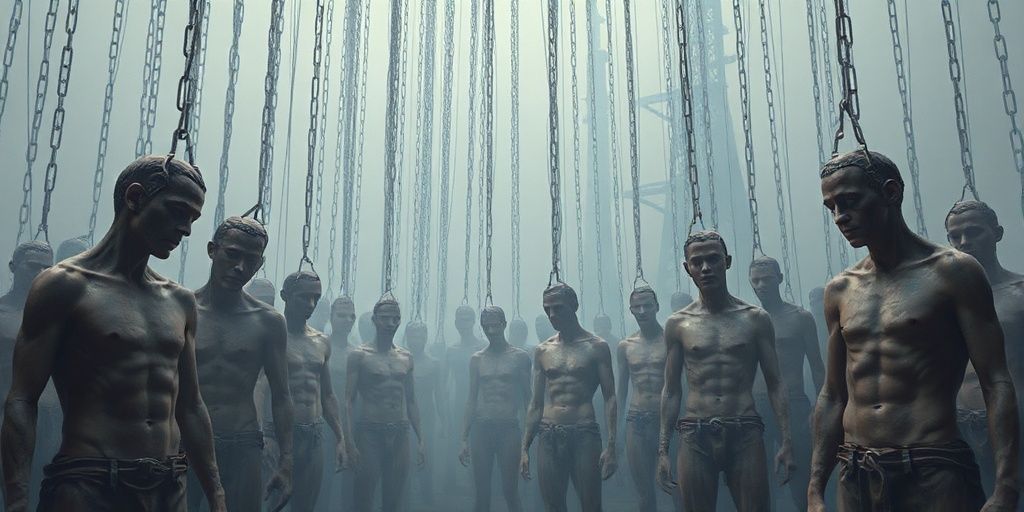
The Biological Chains: Your Future Was Decided Before You Were Born, And Society Will Pay The Price
Another day, another nail hammered into the coffin of American exceptionalism and individual agency. The latest pronouncements from the scientific establishment, as reported by The Washington Post, deliver a particularly bitter pill: the illusion that you, the average American, have significant control over how long you live has been definitively shattered. Forget the endless self-help gurus, the expensive gym memberships, the organic kale smoothies – a new study suggests genetics and environment play roughly equal, and largely predetermined, roles in your longevity. This isn’t just a personal health revelation; it’s a systemic declaration of war on the foundational myths of our society, promising a future of deeper despair, economic stratification, and an accelerating slide into collapse.
For decades, the American dream has peddled a toxic fantasy: if you work hard, eat right, and make good choices, you can sculpt your own destiny, including your health and lifespan. This research pulls back the curtain on a much darker truth. If your biological blueprint and the circumstances of your birth—the polluted air you breathe, the substandard food available in your zip code, the genetic lottery you won at conception—are the primary determinants of your lifespan, then what becomes of the vast, predatory healthcare industrial complex built on the premise of individual responsibility? Insurance companies will salivate at the prospect of leveraging this data, not to improve public health, but to meticulously segment and penalize. Expect premiums to skyrocket for those deemed genetically “unfavorable” or residing in environmentally “risky” areas. The existing two-tiered healthcare system will calcify into a biological caste system, where access to care, and even the very possibility of a long life, becomes an even more exclusive privilege for the wealthy elite who can afford genetic screening, bespoke environments, and the increasingly rare luxury of clean living.
The economic repercussions will be catastrophic, far beyond the confines of your personal medical bills. Social Security, already teetering on the brink, faces an unpredictable future. If longevity is less about collective health improvements and more about predetermined factors, we lose any semblance of predictable population dynamics. Some cohorts will die off earlier than anticipated, leaving fewer contributors to the federal coffers, while others with “favorable” genes might live far longer, draining resources from an already strained system. This creates a demographic time bomb, where the actuarial tables are constantly being rewritten by an indifferent fate, rather than by human design or lifestyle choices. The workforce, too, will become brutally stratified. Those with the “right” genes will be exploited for longer, their productive years extended, while those less fortunate will find themselves sidelined, discarded, and left to face an inevitable early decline, exacerbating the already gaping wealth inequality that threatens to tear the nation apart.
This isn’t just about healthcare or pensions; it’s about the erosion of hope and the very fabric of social cohesion. The psychological impact on a populace told that their efforts are largely futile against the immutable forces of biology and environment will be profound. Why strive? Why invest in personal improvement? Why bother with civic engagement if your fate is largely sealed before you draw your first breath? This breeds a corrosive fatalism, a deep-seated cynicism that further discredits institutions and fuels social unrest. The “American Dream” becomes an even crueler joke, a mirage dangled before a population whose life trajectories are increasingly dictated by an unchangeable biological lottery and the systemic inequities of their birth. When the illusion of control finally shatters for the average person, what remains is not liberation, but profound despair, a fertile ground for the seeds of long-term societal collapse.
In essence, this research confirms what many have long suspected in their darkest moments: the individual is increasingly irrelevant in a world dictated by forces far beyond their reach. It’s a scientific endorsement of our collective impotence, a stark reminder that the grand promises of

Based on reporting from: www.washingtonpost.com

Marcus Hale is a geopolitical risk analyst and investigative journalist with over a decade of experience covering economic instability, foreign policy, and systemic risk. A former consultant to financial institutions and government think tanks, Marcus has spent his career stress-testing optimistic narratives and finding the structural cracks underneath. He founded TheWorstView.today because he believes that the most patriotic thing an American can do is refuse to be comforted by convenient lies.
Drowning in despair?
It’s not all hellfire and brimstone. See the naively optimistic (but much happier) version of this story on The Best View.
Check the Bright Side →