🎧 Listen to the audio version by Marcus
THE PLAGUE RETURNS: Our Fragile World Ships Disease to Our Doorstep, America’s Collapse is Now Inevitable
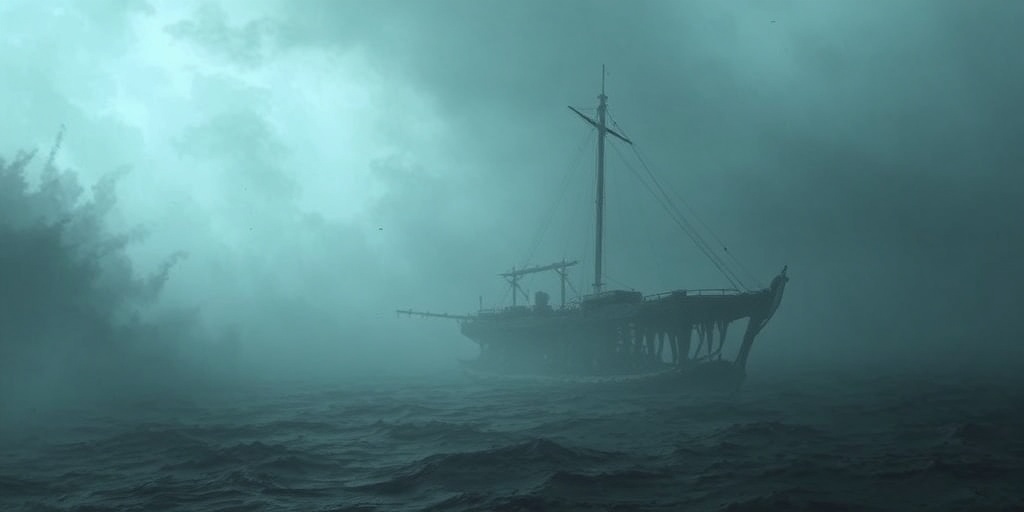
Another day, another grim dispatch from the globalized cesspool we’ve so enthusiastically embraced. This time, it’s hantavirus, a chilling reminder of nature’s indifferent cruelty, hitching a ride on a pleasure cruise to deliver its grim cargo. The World Health Organization, bless their bureaucratic hearts, is busy issuing pronouncements about “clusters” and “outbreak news,” as if a few carefully worded reports can contain the inevitable cascade of ruin. Make no mistake, this isn’t just about a few unfortunate souls on a floating petri dish. This is a flashing neon sign for every American who still clings to the illusion of safety and prosperity. Our interconnectedness, once trumpeted as the engine of progress, has become our Achilles’ heel, a direct conduit for the world’s diseases and its inherent instability to infect our shores, our economy, and ultimately, our very way of life.
The hantavirus, a whisper from the rodent kingdom, has always been a harbinger of ecological imbalance. Now, amplified by the relentless churn of international travel, it’s a potent symbol of the systemic risks we’ve willingly courted. We chase fleeting economic gains by facilitating the movement of people and goods across continents, all while conveniently ignoring the microscopic hitchhikers that come along for the ride. This isn’t a black swan event; it’s a predictable consequence of a system addicted to unchecked growth and global integration without any commensurate investment in robust, decentralized public health infrastructure. Our reliance on a fragile, just-in-time global supply chain means that when disease strikes, the ripple effects are instantaneous and devastating. Imagine supply chains already strained by geopolitical tensions and climate chaos now facing the added burden of widespread illness. Businesses will falter, essential goods will become scarce, and the economic shockwaves will be felt not just in the stock market, but in the empty shelves of your local grocery store and the rising cost of everything you need to survive.
For the average American, this means a relentless erosion of their already precarious financial footing. The cost of healthcare will skyrocket, not just for direct treatment, but for the indirect consequences of a sick workforce and disrupted industries. Governments, scrambling to contain outbreaks, will resort to more drastic measures, imposing lockdowns and restrictions that further cripple small businesses and individual livelihoods. We will see a further concentration of wealth and power in the hands of those who can weather these storms, while the majority are left to fend for themselves. This isn’t a temporary setback; it’s a fundamental reordering of society, a brutal acceleration of pre-existing inequalities. The narrative of American exceptionalism is a cruel joke when we are so utterly vulnerable to forces beyond our control, forces we ourselves have unleashed in our pursuit of endless expansion and profit. The dream of upward mobility is fading, replaced by the grim reality of perpetual struggle in a world increasingly prone to collapse.
The long-term outlook is even more abysmal. Each such outbreak, each disruption, chips away at the foundations of our civilization. We become more fearful, more insular, and less capable of collective action. The trust in institutions, already fragile, will evaporate as they prove incapable of protecting us. This hantavirus cluster, seemingly a distant problem on a foreign cruise ship, is a stark preview of the future. It signals a world where pandemics are not anomalies, but recurring features, where borders become porous barriers against unseen threats, and where the illusion of control is shattered by the relentless march of entropy. The average American will be forced to confront a future of scarcity, uncertainty, and a constant battle for survival, a future we have, through our own hubris and negligence, built with our own hands.
Frequently Asked Questions
Will this hantavirus outbreak reach the United States?
Given the nature of international travel and the history of disease spread, it is highly probable that hantavirus, or other novel pathogens, will find their way to the United States. Our porous borders and interconnected travel systems make complete containment nearly impossible.
How will this affect my job and the economy?
Disruptions to travel, potential quarantines, and widespread illness will inevitably lead to significant economic consequences, including supply chain issues, decreased consumer spending, and job losses. Businesses that rely on global trade or large gatherings will be particularly vulnerable.
Is there anything I can do to protect myself and my family?
Individual preparedness is key in an increasingly unstable world. This includes building up emergency supplies, maintaining good personal hygiene, and staying informed about potential health risks, though personal precautions offer limited protection against systemic failures.

Based on reporting from: www.who.int

Marcus Hale is a geopolitical risk analyst and investigative journalist with over a decade of experience covering economic instability, foreign policy, and systemic risk. A former consultant to financial institutions and government think tanks, Marcus has spent his career stress-testing optimistic narratives and finding the structural cracks underneath. He founded TheWorstView.today because he believes that the most patriotic thing an American can do is refuse to be comforted by convenient lies.
Drowning in despair?
It’s not all hellfire and brimstone. See the naively optimistic (but much happier) version of this story on The Best View.
Check the Bright Side →