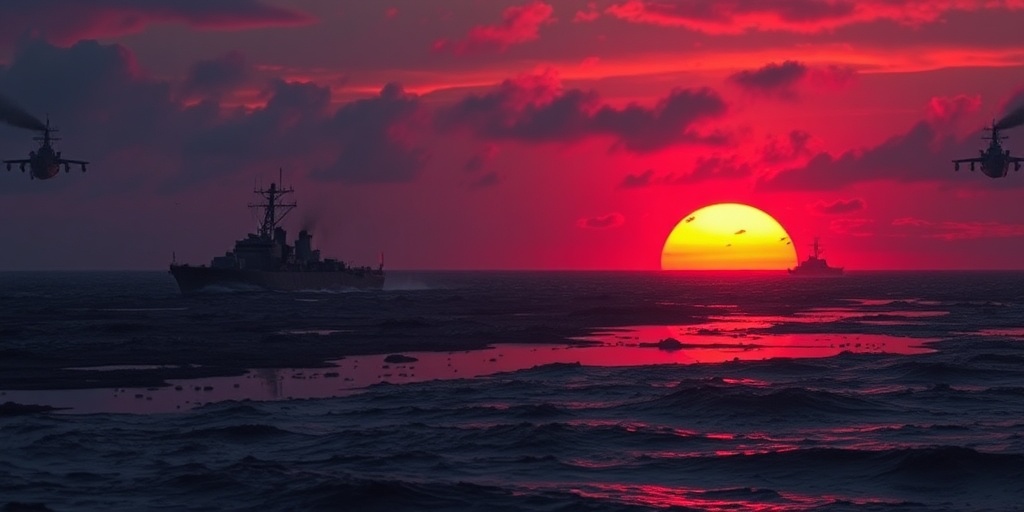
The Abyss Beckons: America’s Iran Gamble Ignites a Global Inferno, Dooming the Average Citizen
The drumbeats of war, long a distant rumble, are now a deafening thunder, crashing directly upon the shores of our precarious existence. Washington, in its infinite wisdom and boundless capacity for self-destruction, has once again decided to play with matches in the tinderbox of the Middle East, striking further blows against Iran. This isn’t some abstract geopolitical chess match played out in hushed tones by suited elites; this is a direct assault on the fragile economic foundations that barely support the average American family. Every bomb dropped, every missile fired, is a nail hammered into the coffin of our prosperity. The stated goal – protecting freedom of navigation in the Strait of Hormuz – is a thinly veiled excuse for a power play that guarantees only one outcome: escalating chaos and economic ruin. This move signals the definitive end of any pretense of de-escalation, a reckless acceleration towards a confrontation that will ripple outwards, touching every facet of our lives, from the gas pump to the grocery aisle, from the stock market to the stability of our very nation.
Let’s be brutally honest: for the average American, this news is not merely concerning; it is a harbinger of profound hardship. The Strait of Hormuz is not some obscure geographical footnote; it is the choke point for a significant portion of the world’s oil supply. When the United States decides to escalate military action in such a volatile region, the immediate and inevitable consequence is the disruption of that supply. This doesn’t just mean higher gas prices, although that is a certainty that will gnaw away at already strained household budgets. It means a cascading effect across the global economy. Think about it: the cost of shipping everything, from the electronics in your pocket to the clothes on your back, is inextricably linked to fuel costs. Businesses, already struggling with inflation and supply chain woes, will be forced to absorb these increased operational expenses, and guess who ultimately pays? You do. This is not about patriotic duty or national security in the abstract; it’s about the tangible erosion of your purchasing power, the shrinking of your savings, and the increasing difficulty of making ends meet.
Furthermore, this escalation signals a deepening commitment to perpetual conflict, a drain on national resources that could, and should, be directed towards domestic needs. Every dollar spent on military hardware and ongoing operations in the Middle East is a dollar not invested in infrastructure, education, healthcare, or renewable energy. We are pouring our future into a black hole of endless war, sacrificing the well-being of our citizens on the altar of a foreign policy that consistently prioritizes saber-rattling over sensible solutions. This isn’t about debating the necessity of defense; it’s about recognizing the devastating opportunity cost. The systemic risks are immense. A wider conflict in the region could destabilize entire economies, trigger massive refugee crises that strain international resources, and create fertile ground for the rise of extremist ideologies that will undoubtedly seek to exploit the ensuing chaos. The interconnectedness of the global economy means that a conflagration in the Middle East will inevitably burn its way to our shores, impacting our financial markets, our trade relationships, and the overall stability that we have long taken for granted.
The implications for the average American extend beyond immediate economic pain. This aggressive stance against Iran, particularly after former President Trump’s pronouncements, indicates a deliberate choice to abandon diplomatic avenues. This is a strategic decision that prioritizes confrontation over de-escalation, a path that history repeatedly shows leads to prolonged instability and unforeseen consequences. We are not just risking a localized conflict; we are potentially igniting a wider regional war that could draw in other major powers, creating a geopolitical landscape far more dangerous and unpredictable than anything we have witnessed in decades. The long-term collapse of American influence and economic dominance becomes a more plausible, even probable, outcome when we consistently choose military intervention over sustained diplomatic engagement. This is not the action of a nation securing its future; it is the desperate flailing of an empire seemingly determined to hasten its own decline, leaving its citizens to bear the brunt of the fallout.
Frequently Asked Questions
Will this increase gas prices?
Yes, it is highly probable. Disruptions to oil supplies from the Strait of Hormuz due to increased conflict directly translate to higher global oil prices, which then impact the cost of gasoline at the pump.
Could this lead to a recession?
An escalation of conflict in a major oil-producing region can destabilize global markets, disrupt trade, and significantly increase business costs, all factors that contribute to an increased risk of recession.
Are my investments safe with this new conflict?
Geopolitical instability, especially involving major energy routes, tends to create significant volatility in financial markets, making investments inherently riskier.

Based on reporting from: www.cnn.com

Marcus Hale is a geopolitical risk analyst and investigative journalist with over a decade of experience covering economic instability, foreign policy, and systemic risk. A former consultant to financial institutions and government think tanks, Marcus has spent his career stress-testing optimistic narratives and finding the structural cracks underneath. He founded TheWorstView.today because he believes that the most patriotic thing an American can do is refuse to be comforted by convenient lies.
Drowning in despair?
It’s not all hellfire and brimstone. See the naively optimistic (but much happier) version of this story on The Best View.
Check the Bright Side →