MONACO EXPLOSION: THE RICH AND THE RUSSIAN AREN’T SAFE. NEITHER ARE YOU.
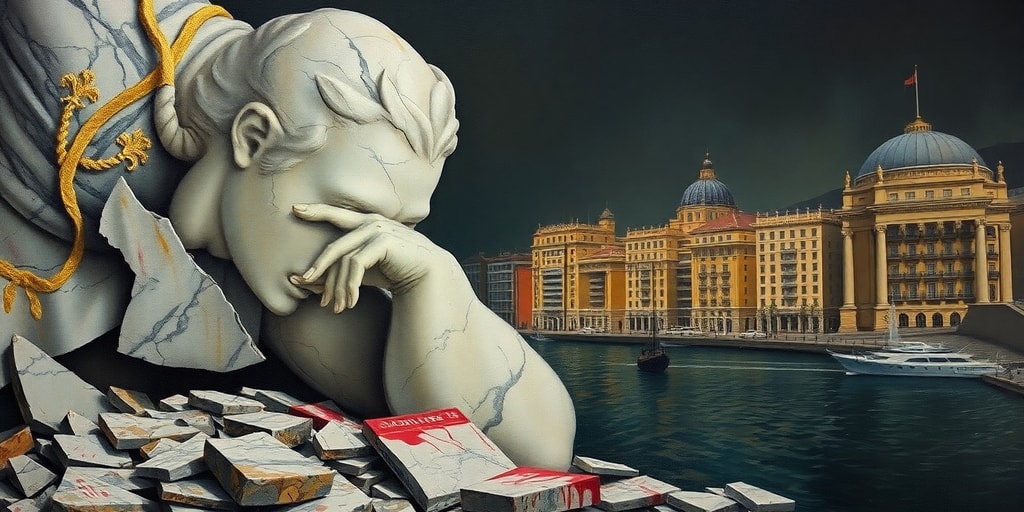
Another day, another explosion. This time, it’s the gilded cages of Monaco that have been rattled, a small, exclusive principality that usually serves as a playground for the global elite. AP reports an explosive device detonated in an apartment building entrance, injuring three, and most notably, a Ukrainian tycoon with alleged ties to Russia. On the surface, this might seem like a distant spat among the obscenely wealthy, a footnote in the never-ending soap opera of international intrigue. But don’t be fooled by the designer suits and champagne toasts. This isn’t just about some oligarch nursing a bruised ego in the Riviera. This is a stark, chilling signal that the rot we’ve seen festering in the dark corners of global finance and politics is now bleeding into the very places we thought were insulated from the storm. When the very foundations of exclusive havens begin to crack, it’s not a question of *if* the tremors will reach your doorstep, but *when*, and how violently.
For the average American, the implications are far more grim than just an abstract news headline. This incident, however isolated it may appear, is a symptom of a deeper, more pervasive instability. The fact that a figure with alleged Russian connections is involved in an explosion in Monaco – a place synonymous with secrecy and wealth accumulation – points to the tangled web of illicit finance, shadowy dealings, and geopolitical maneuvering that underpins our globalized economy. These are the same illicit flows that siphon wealth out of productive economies, inflate asset bubbles, and create the very systemic risks that can, and will, bring our own financial systems to their knees. Think about the offshore accounts, the shell corporations, the opaque investments – these aren’t just tools for the ultra-rich to avoid taxes. They are the conduits for corruption, for state-sponsored mischief, and for the very destabilization that leads to events like this. The money laundered through these avenues doesn’t just disappear; it distorts markets, fuels conflict, and ultimately, leaves less for genuine investment and economic growth back home. The security of your savings, the stability of your job, the affordability of your rent – all are intrinsically linked to the integrity of a global financial system that is increasingly compromised.
Furthermore, this incident underscores the escalating risks in a world where traditional lines of power and influence are blurring, and where state and non-state actors are increasingly willing to employ extreme measures. The presence of a Ukrainian tycoon with alleged Russian ties in such a sensitive location suggests a battle being waged not just on battlefields, but in the shadows of financial and political power. This isn’t just about territorial disputes or ideological conflicts anymore; it’s about control over resources, influence over markets, and the willingness to eliminate obstacles, no matter how opulent their surroundings. For Americans, this translates into a heightened risk of economic contagion. The interconnectedness of global finance means that a crisis, or even a targeted disruption, in one part of the world can have cascading effects. Imagine a ripple effect: sanctions tightened, assets frozen, illicit flows disrupted, or worse, retaliatory actions taken. These aren’t abstract economic theories; they are real-world events that can lead to volatile currency markets, increased commodity prices, disruptions to supply chains, and ultimately, a shrinking of economic opportunity for everyone else. The global system is a house of cards, and this explosion, however small, is another card being nervously nudged.
The long-term outlook is even more bleak. This event is a microcosm of a world increasingly defined by uncertainty and a breakdown of established order. The very notion of secure, stable havens is being challenged. If even the impregnable fortresses of Monaco can be breached, what does that say about the resilience of our own institutions? We are witnessing a slow-motion collapse of trust in international norms and a rise in a more brutal, transactional form of global engagement. This means more unpredictable conflicts, more economic shocks, and a greater likelihood of governments resorting to desperate measures, often at the expense of their own citizens. For the average American, this future portends a steady erosion of their economic security, a persistent anxiety about the future, and a growing realization that the stability they once took for granted is an illusion. The days of quiet prosperity are over. We are entering an era where the distant rumblings of the elite’s troubles will inevitably become the ground-shaking reality for us all.
Frequently Asked Questions
What does an explosion in Monaco have to do with me?
This incident highlights the interconnectedness of global finance and politics. When wealth and power are concentrated in opaque systems, instability and illicit activities can have ripple effects that impact economies worldwide, including yours.
Is my money safe if the rich aren’t safe in Monaco?
While your personal savings are generally protected by different regulations, events like these can signal broader systemic risks within the global financial architecture. This could indirectly affect markets and economic stability that impact everyone.
Could this lead to higher prices or job losses in the US?
Yes, increased geopolitical instability and disruption to financial flows can lead to volatile markets, supply chain issues, and economic uncertainty, all of which can contribute to inflation and potentially impact employment opportunities.
Based on reporting from: apnews.com

Marcus Hale is a geopolitical risk analyst and investigative journalist with over a decade of experience covering economic instability, foreign policy, and systemic risk. A former consultant to financial institutions and government think tanks, Marcus has spent his career stress-testing optimistic narratives and finding the structural cracks underneath. He founded TheWorstView.today because he believes that the most patriotic thing an American can do is refuse to be comforted by convenient lies.
Drowning in despair?
It’s not all hellfire and brimstone. See the naively optimistic (but much happier) version of this story on The Best View.
Check the Bright Side →