🎧 Listen to the audio version by Marcus
AMERICAN DREAM DROWNS ABROAD: Young Lives Lost, Empires Crumble as Global Chaos Claims Another Victim
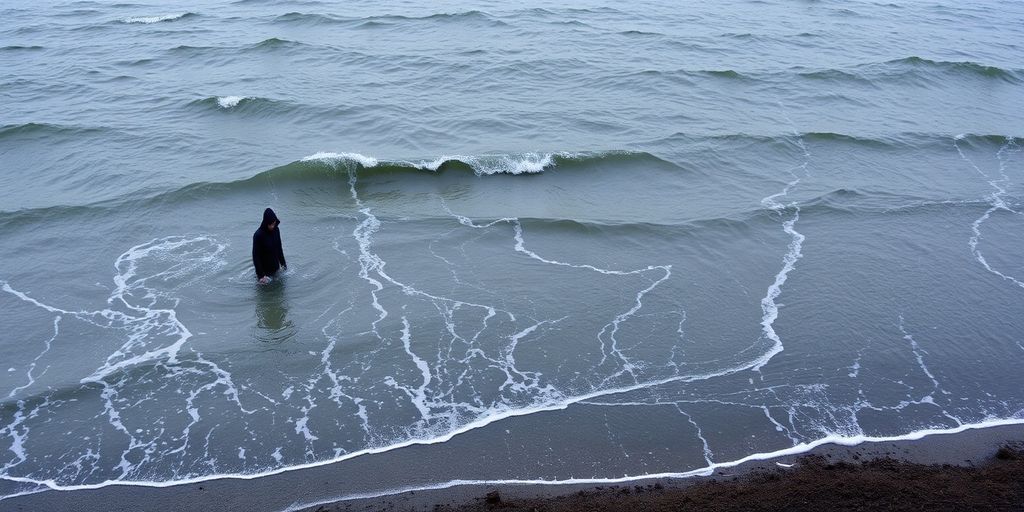
Another bright, young American life, extinguished. Not by a domestic predator, not by a collapsing healthcare system, but by the indifferent, unforgiving maw of global instability. James Gracey, a student, a future, a symbol of burgeoning potential, found dead off the coast of Barcelona. This isn’t just a tragic individual loss; it’s a stark, chilling reminder of the increasingly perilous world we inhabit, a world where the illusion of safety and opportunity for the average American is being systematically dismantled. For those of us who see the cracks widening in the foundations of our prosperity, this news is not an anomaly, but a predictable tremor in the earth’s fault lines. The very fabric of our interconnectedness, once hailed as a testament to progress, is now a web of systemic risks, each strand a potential snare for the unwary. The economic consequences of this ever-present instability are not abstract market fluctuations; they are the slow, insidious erosion of our savings, the stagnant wages that fail to keep pace with rising costs, and the looming specter of a future where the American Dream is a fairy tale whispered to children who will never truly experience it.
This incident, while seemingly localized, is but a single symptom of a larger, more sinister disease infecting the global order. The rise of nationalism, the resurgence of geopolitical rivalries, and the relentless pressure on fragile states create a volatile environment where the unpredictable becomes the norm. For the average American, this translates into a constant undercurrent of anxiety. Our supply chains, once a marvel of efficiency, are now brittle, susceptible to disruption by any regional conflict or natural disaster. This means higher prices for everything from your morning coffee to the car you drive. Furthermore, the increasing burden of global entanglements, the endless wars and foreign policy misadventures, drain our national resources, diverting funds that could be invested in our own communities, in our crumbling infrastructure, in the education and well-being of our own citizens. We are being bled dry, not for our own benefit, but for the preservation of an international order that is increasingly failing to serve its most basic purpose: ensuring the safety and prosperity of its citizens.
The long-term implications are even more dire. We are witnessing not just a temporary downturn, but a fundamental shift in the global landscape. The era of American exceptionalism, of unquestioned dominance, is rapidly fading. As other powers rise, and as existing alliances fray, the world becomes a more dangerous and less predictable place. This breeds uncertainty, which is the enemy of investment and growth. Businesses become hesitant to expand, jobs become scarce, and the economic ladder that once seemed attainable for many becomes an insurmountable climb. The optimism that fueled generations of Americans is being replaced by a gnawing pessimism, a sense that the best days are behind us, and that the future holds only more hardship and struggle. The death of a young American abroad, far from home and safety, is a grim metaphor for the fate of our own aspirations in this increasingly chaotic world. We are adrift, our compass broken, our destination uncertain, facing the cold, hard reality of long-term collapse.
The individual tragedy of James Gracey serves as a potent, if bleak, illustration of the systemic risks that now define our existence. Every lost life, every economic shockwave, every political upheaval across the globe, ultimately echoes back to our shores, diminishing our security and eroding our collective well-being. The promise of a stable and prosperous future for the average American is becoming a quaint relic of a bygone era. We are left to grapple with a world where the very notion of safety is a luxury, and where the price of global engagement is increasingly paid in the currency of our own dwindling opportunities and our children’s uncertain futures. The alarm bells are ringing, but for too many, they are still drowned out by the comforting lies of yesterday’s prosperity.
Frequently Asked Questions
Is my travel insurance enough to cover a tragedy like this abroad?
Standard travel insurance often has significant limitations and exclusions for unforeseen events like this. It’s unlikely to cover the full emotional and financial toll on a family facing such a devastating loss, especially considering the complexities of international repatriation.
How does global instability directly affect my wallet back home?
Global instability disrupts supply chains, leading to higher prices for goods and energy. It also increases geopolitical risks that can destabilize financial markets, impacting your investments and the overall economy, making it harder to save and grow your wealth.
What can I realistically do as an average American to prepare for long-term collapse?
Focus on practical resilience: building emergency savings, diversifying skills, and strengthening local community ties. Understanding how to reduce reliance on fragile global systems for essential needs is paramount.
Based on reporting from: abc7chicago.com

Marcus Hale is a geopolitical risk analyst and investigative journalist with over a decade of experience covering economic instability, foreign policy, and systemic risk. A former consultant to financial institutions and government think tanks, Marcus has spent his career stress-testing optimistic narratives and finding the structural cracks underneath. He founded TheWorstView.today because he believes that the most patriotic thing an American can do is refuse to be comforted by convenient lies.
Drowning in despair?
It’s not all hellfire and brimstone. See the naively optimistic (but much happier) version of this story on The Best View.
Check the Bright Side →