🎧 Listen to the audio version by Marcus
WHITE HOUSE UNDER SIEGE: American Dream Shattered as Chaos Erupts on Our Doorstep!
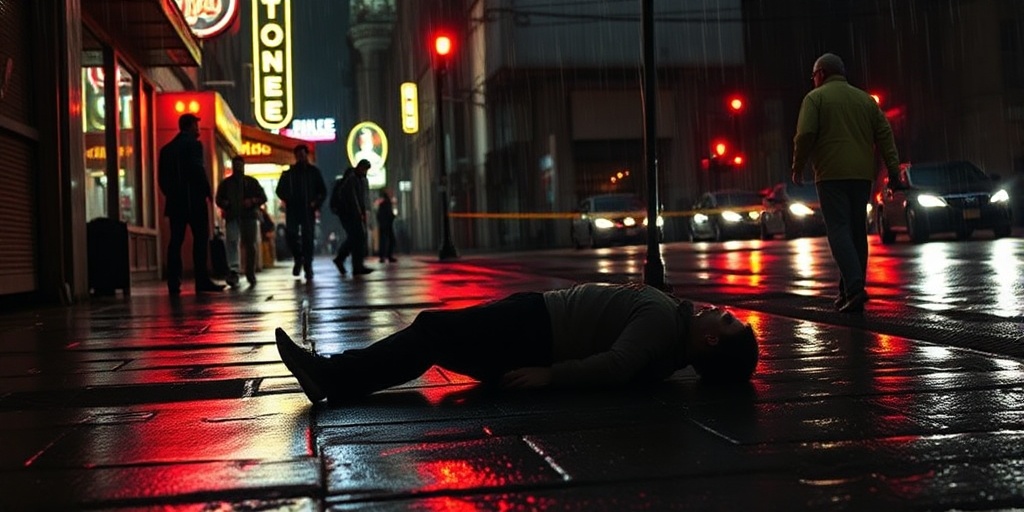
Another day, another stark reminder that the foundations of this once-great nation are crumbling. While the talking heads on your screens prattle about isolated incidents and temporary disruptions, the reality is far more sinister. A “bystander” lies in serious condition, the victim of a fatal shooting just steps from the very symbol of American power, the White House. This isn’t just a headline to be skimmed over; it’s a flashing neon sign screaming about the systemic rot that has infected our society. For the average American, this isn’t an abstract event occurring in some distant, chaotic land. This is a direct assault on the illusion of safety and stability we’ve been sold for decades. When the heart of our capital becomes a battleground, what hope is there for the suburbs, for our cities, for our very homes? The economic consequences are already palpable, even if you haven’t connected the dots. Increased security measures, born from such brazen acts, translate directly into higher costs for everything from goods to travel. Supply chains, already fragile, will face further strain as more resources are diverted to an ever-expanding security state. This isn’t about preventing the next “incident”; it’s about a perpetual state of crisis management that saps our resources and our spirit.
The truth is, we’ve been sleepwalking into this abyss for years. Decades of misplaced priorities, of fostering division instead of unity, of prioritizing corporate profits over public well-being, have brought us to this precipice. The shooting near the White House is merely a symptom, a dramatic and bloody manifestation of a much deeper disease. Think about it: a checkpoint, a symbol of control and protection, becomes a scene of violence. This tells you everything you need to know about the efficacy of our current strategies. We are constantly reacting, never truly addressing the root causes of discontent, anger, and desperation that fuel such acts. The economic fallout is multifaceted. Beyond the direct costs of security and the disruption to commerce, consider the intangible erosion of confidence. Who wants to invest in a nation where the seat of power is no longer secure? Who wants to build a future when the present is so volatile? This uncertainty breeds stagnation, driving away capital and talent, further weakening our economic standing on the global stage. We are cannibalizing our own future for the sake of short-term, ineffective “solutions.”
The long-term implications are even more chilling. This incident, and countless others like it, are not isolated events; they are indicators of a society in terminal decline. When the physical security of our most vital institutions is compromised, it signals a broader breakdown in social cohesion and governmental authority. We are witnessing the gradual unraveling of the social contract, the unspoken agreement between citizens and their government that guarantees safety and opportunity. As this contract frays, expect a cascade of negative consequences: increased crime, a more fractured and distrustful populace, and a government increasingly reliant on force rather than consent. The economic consequences will be devastating. Imagine a nation constantly on edge, perpetually diverting resources to security at the expense of infrastructure, education, and innovation. This is the path to obsolescence. Our competitors, those who have patiently watched our self-inflicted wounds, will capitalize on our weakness. The American Century, that brief and perhaps illusory period of global dominance, is definitively drawing to a close, leaving us poorer, less secure, and perpetually looking over our shoulders.
The tragedy near the White House is not an anomaly; it is the logical, albeit horrifying, conclusion of a trajectory we have been on for too long. It’s the culmination of policies that have widened the gap between the haves and have-nots, policies that have ignored the legitimate grievances of vast swathes of the population, and policies that have prioritized abstract ideals over tangible human needs. The “bystander” in serious condition is a proxy for every American who is being caught in the crossfire of our nation’s own internal implosion. We are all bystanders now, witnessing the slow-motion collapse of everything we were told to believe in. The economic system, already teetering on the brink of collapse due to rampant inflation and unsustainable debt, will be further destabilized by an atmosphere of constant threat and heightened insecurity. Businesses will shutter, jobs will disappear, and the already dwindling opportunities for prosperity will vanish into the smog of perpetual crisis. This is not a future to be feared; it is the grim reality that is already upon us.
Frequently Asked Questions
Is this shooting a sign that America is becoming more dangerous?
Yes, incidents like this highlight a growing trend of instability and a breakdown in public order. It suggests that even the most secure areas are not immune to the escalating societal issues plaguing the nation.
How will this affect my daily life and the economy?
Expect increased security costs to trickle down into higher prices for goods and services. The overall climate of insecurity can also deter investment, leading to fewer jobs and economic stagnation.
Can the government prevent more of these incidents?
While security measures can be tightened, the root causes of such violence are deeply ingrained societal problems. Without addressing systemic issues like inequality and despair, such incidents are likely to continue recurring.
Based on reporting from: apnews.com

Marcus Hale is a geopolitical risk analyst and investigative journalist with over a decade of experience covering economic instability, foreign policy, and systemic risk. A former consultant to financial institutions and government think tanks, Marcus has spent his career stress-testing optimistic narratives and finding the structural cracks underneath. He founded TheWorstView.today because he believes that the most patriotic thing an American can do is refuse to be comforted by convenient lies.
Drowning in despair?
It’s not all hellfire and brimstone. See the naively optimistic (but much happier) version of this story on The Best View.
Check the Bright Side →