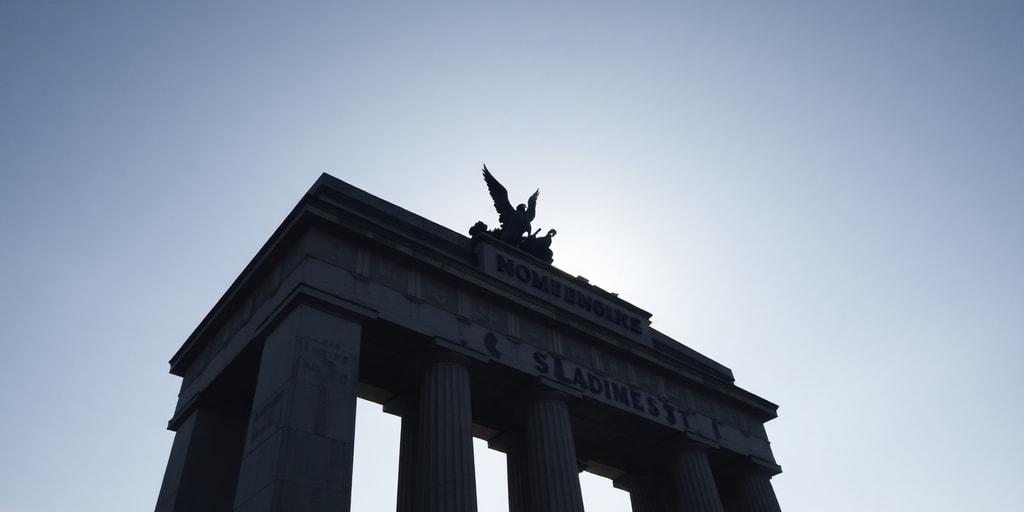
TRUMP’S NAME ERASURE: A SYMPTOM OF AMERICA’S SLOW-MOTION COLLAPSE, NOT A VICTORY
The news that the Kennedy Center board is scrambling to prevent the removal of Donald Trump’s name from its facade is, to put it mildly, a pathetic spectacle. But don’t be fooled into thinking this is about artistic integrity or the noble pursuit of cultural purity. This is merely another twitch in the death throes of a nation already succumbing to its own internal rot. For the average American, this isn’t about a name on a building; it’s a harbinger of deeper, more insidious systemic risks that will gnaw away at your meager prosperity and the fragile semblance of stability you cling to. The forces battling over a nameplate are the same entropy-driven, self-destructive impulses that are dismantling our economy, eroding our institutions, and setting us on a trajectory towards irrelevance. This petty squabble over symbols is a distraction from the real, existential threats that are already impacting your wallet, your future, and the very fabric of your society. The money being spent on these performative battles, the energy consumed by these petty grievances, is money and energy that could be invested in infrastructure, education, or any number of vital areas that are crumbling around us. Instead, we are treated to this circus, a vivid illustration of how deeply unserious our elites are about the actual problems facing this country. This isn’t just about the Kennedy Center; it’s about the rot spreading from the top down, infecting every facet of American life.
The economic consequences of this incessant, performative tribalism are staggering, even if they are deliberately obscured by our so-called leaders. Every dollar wasted on partisan warfare, on legal battles over signage, on the endless churn of manufactured outrage, is a dollar that isn’t being deployed to strengthen our industrial base, to foster genuine innovation, or to alleviate the crushing debt burden that will eventually fall upon your children. Consider the message this sends to foreign investors and our global competitors. They see a nation consumed by internal schisms, incapable of maintaining a consistent national identity or prioritizing long-term economic stability. This perception alone drives away capital, stifles investment, and ultimately leads to job losses and stagnant wages for the average working American. The elites in their ivory towers may debate the nuances of cultural symbolism, but the silent, unseen consequence is the erosion of our economic competitiveness. While they bicker over who gets credit or blame for a name on a building, the global economic landscape is shifting, and America is being left behind, not by a foreign adversary, but by its own inability to govern itself rationally. This isn’t about Trump; it’s about the systemic dysfunction that allows such trivialities to dominate the national discourse while true economic decline accelerates unchecked.
This obsession with symbolic gestures over substantive action is a clear indicator of systemic risks that portend long-term collapse. When the governing class prioritizes ephemeral victories in culture wars over the fundamental health of the nation’s infrastructure, its education system, or its fiscal stability, the writing is on the wall. The Kennedy Center kerfuffle is a micro-example of a macro-problem: a profound disconnect between the concerns of everyday Americans and the preoccupations of those in power. This disconnect breeds cynicism, disengagement, and a fertile ground for further division. As trust in institutions erodes, as the perception grows that the system is rigged and unresponsive to the needs of ordinary citizens, the social contract begins to fray. This isn’t some abstract academic theory; it translates into real-world consequences. It means less investment in public goods, a greater susceptibility to demagoguery, and ultimately, a society that is less resilient in the face of inevitable crises. The current spectacle is a symptom of a deeper malaise, a nation that has lost its way, mistaking the performance of action for actual progress, and setting itself on a path towards a future that is far less prosperous and far more chaotic than we care to admit.
Looking ahead, the implications are grim. The energy and resources poured into these partisan skirmishes are diverting attention and capital from critical issues like national debt, supply chain fragility, and the looming specter of technological disruption that will render countless jobs obsolete. This constant state of performative conflict weakens our ability to respond collectively to genuine threats, be they economic downturns, pandemics, or geopolitical challenges. Instead of building bridges, we are burning them. Instead of fostering unity, we are deepening divisions. The average American, already struggling with inflation and economic uncertainty, will bear the brunt of this continued mismanagement. They will face higher taxes to pay for the fallout, fewer opportunities as our economy stagnates, and a less secure future as our global standing diminishes. The name on a building is a triviality, but the systemic rot it represents is a clear and present danger to your way of life. This isn’t about who wins or loses a naming rights debate; it’s about a nation that is slowly but surely dismantling itself from the inside out, and your future is the collateral damage.
Frequently Asked Questions
Will the removal of Trump’s name from the Kennedy Center affect my taxes?
Directly, no. However, the immense resources and political capital expended on such symbolic battles are resources that could have been invested in public services or deficit reduction, ultimately impacting your tax burden indirectly through fiscal mismanagement.
Is this Kennedy Center naming dispute a sign of bigger problems for the US economy?
Yes, it is a symptom of deeper systemic issues. The focus on divisive cultural issues over substantive economic policy indicates a leadership that is out of touch with the real needs of the nation, leading to economic stagnation and reduced global competitiveness.
How does this political infighting impact the average American’s job security?
The constant churn of partisan conflict creates an environment of instability and uncertainty, deterring investment and hindering economic growth. This ultimately leads to fewer job opportunities and less secure employment for the average American.

Based on reporting from: www.npr.org

Marcus Hale is a geopolitical risk analyst and investigative journalist with over a decade of experience covering economic instability, foreign policy, and systemic risk. A former consultant to financial institutions and government think tanks, Marcus has spent his career stress-testing optimistic narratives and finding the structural cracks underneath. He founded TheWorstView.today because he believes that the most patriotic thing an American can do is refuse to be comforted by convenient lies.
Drowning in despair?
It’s not all hellfire and brimstone. See the naively optimistic (but much happier) version of this story on The Best View.
Check the Bright Side →