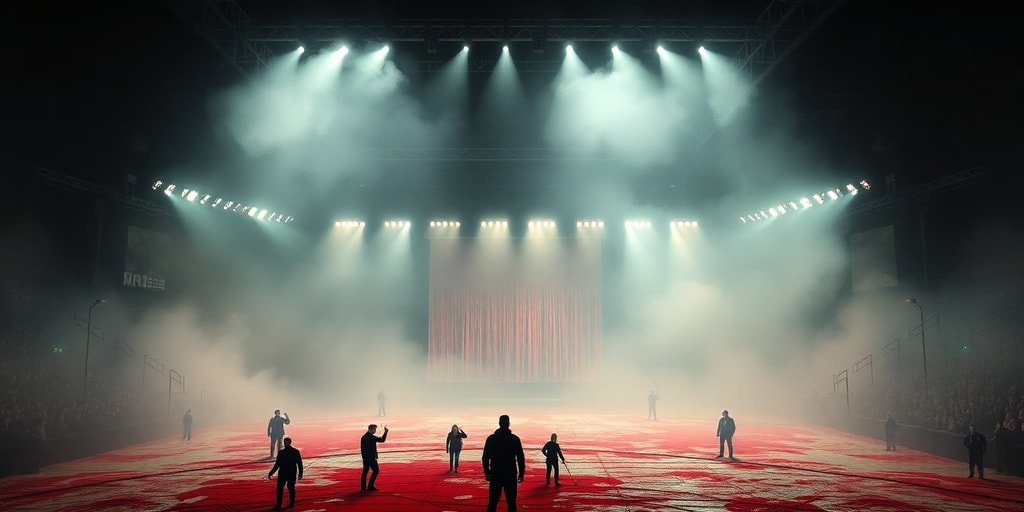
The Spinning Back Kick Heard ‘Round the World: Another Nail in America’s Collapsing Coffin
Let’s be clear, the latest spectacle from Baku, Azerbaijan, where some bloke named Rafael Fiziev apparently landed a “spectacular” spinning back kick to the face of another fellow named Manuel Torres, is not about sports. It’s a symptom. A vibrant, blood-spattered symptom of the rot that’s steadily consuming the American dream, or what’s left of it. While you were distracted by flashing lights and choreographed violence, the foundations of your already precarious existence were being further eroded. This isn’t about who won a fight; it’s about who’s *losing* the global game, and that, my friends, is you. The cost of attention, the premium placed on fleeting entertainment over substantive understanding, is a luxury we can no longer afford. Every dollar spent ogling over prizefighters in far-off lands is a dollar not invested in the crumbling infrastructure of our own nation, not used to shore up the pension funds that are already a mirage, not directed towards the education of children who will inherit a world far less stable than the one we were promised. This fight, this supposed triumph for Fiziev and his “homecoming,” is just another glittering distraction from the grim reality of our declining global influence and the accelerating economic headwinds that will soon buffet even the most complacent among us.
The deeper implications of this seemingly trivial event are rooted in the geopolitical and economic shifts that are actively dismantling the American hegemons. While our elites are busy patting themselves on the back for brokering obscure trade deals or sending more taxpayer dollars to international conflicts, emerging powers are consolidating their influence through a variety of means, including – and this is where the UFC comes in – cultural soft power and the projection of dominance. Azerbaijan, a nation strategically positioned between Russia and Iran, with significant energy reserves, is increasingly looking eastward, forging closer ties with China and participating in initiatives that bypass Western institutions. When the UFC, an American entity, holds an event there and celebrates a local hero’s victory, it’s not just a sporting event; it’s a subtle acknowledgment of shifting allegiances, a nod to new power centers. For the average American, this translates into a future where our currency holds less sway, where our access to essential resources becomes more contested, and where our ability to dictate terms on the global stage is diminished. The spectacle of Fiziev’s victory is a potent symbol of the world moving on, leaving American exceptionalism in the dust, and you, the taxpayer, will be left holding the bag for the unfunded liabilities of a bygone era.
The economic ramifications are stark and unforgiving. As global power balances shift, so too do trade routes, investment flows, and commodity prices. While we’re captivated by the latest octagon drama, other nations are quietly building their economies, investing in future technologies, and securing strategic assets. The rise of countries like Azerbaijan, however small they may seem on the global chessboard, represents a fractional loss of our own economic leverage. This isn’t about a single fighter’s earnings; it’s about the cumulative effect of a world order where American capital is no longer the automatic default. Expect to see higher import costs for goods you rely on, fewer job opportunities as manufacturing continues its inexorable flight to cheaper locales, and a further erosion of the middle class as the spoils of global commerce are increasingly distributed elsewhere. The “spectacular” victory in Baku is a prelude to the spectacular collapse of your purchasing power and your economic security. The illusion of American prosperity is being systematically dismantled, blow by blow, kick by kick, and you’re too busy cheering to notice.
Ultimately, this UFC event in Baku is a microcosm of a larger, more insidious trend: the gradual but undeniable decline of American primacy. It’s a narrative of distraction, of misplaced priorities, and of a nation sleepwalking into irrelevance. While our attention is fixated on the manufactured drama of the ring, the real contests – the ones for economic dominance, geopolitical influence, and technological superiority – are being decided elsewhere. The cheers for Fiziev echo across a world that is increasingly indifferent to American pronouncements. For the average American, this indifference will translate into tangible hardships: a weaker dollar, diminished opportunities, and a future where the dreams of upward mobility become increasingly unattainable. The spinning back kick was indeed spectacular, but its true significance lies not in its athletic prowess, but in its chilling foreshadowing of America’s own spectacular fall from grace.
Frequently Asked Questions
Will events like the UFC in Baku directly impact my wallet?
Indirectly, yes. As global power shifts, so do economic tides. A decline in American influence can mean higher import costs and less favorable trade deals, ultimately impacting the price of goods you buy and the stability of your job market.
Is America really losing its influence on the world stage?
The evidence suggests a significant shift. While still powerful, the US faces increasing challenges from rising global powers and a world order that is becoming more multipolar, impacting our ability to shape international events.
What can an average American do about these global changes?
Focus on financial resilience: diversify investments, reduce debt, and build emergency savings. Stay informed about global events and their potential economic impact, rather than relying solely on entertainment for distraction.
Based on reporting from: sports.yahoo.com

Marcus Hale is a geopolitical risk analyst and investigative journalist with over a decade of experience covering economic instability, foreign policy, and systemic risk. A former consultant to financial institutions and government think tanks, Marcus has spent his career stress-testing optimistic narratives and finding the structural cracks underneath. He founded TheWorstView.today because he believes that the most patriotic thing an American can do is refuse to be comforted by convenient lies.
Drowning in despair?
It’s not all hellfire and brimstone. See the naively optimistic (but much happier) version of this story on The Best View.
Check the Bright Side →