🎧 Listen to the audio version by Marcus
The Rot Deepens: Hollywood’s Delusion Signals America’s Imminent Collapse
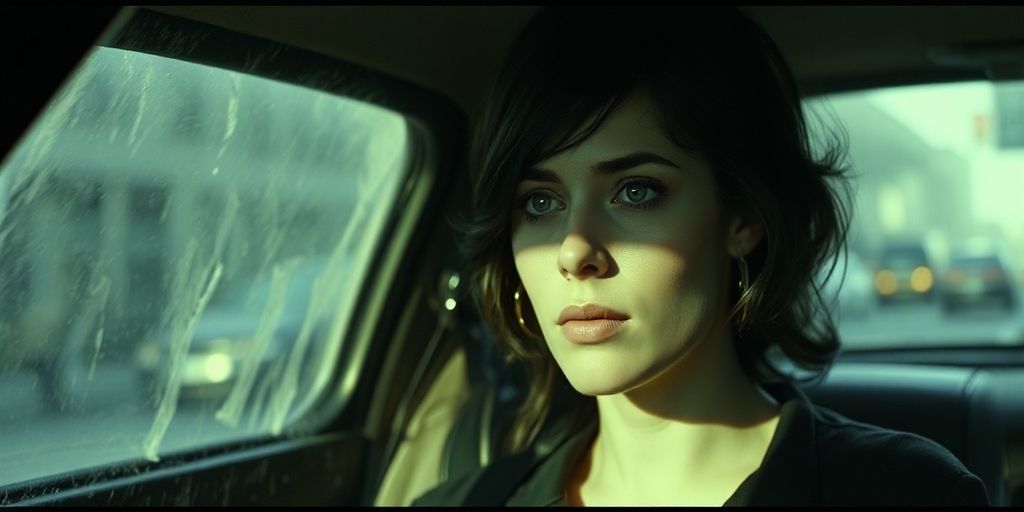
In a world teetering on the precipice of economic meltdown, geopolitical chaos, and societal fragmentation, the titans of entertainment have delivered a stark and terrifying revelation. Apparently, an editing error in the trailer for “The Devil Wears Prada 2” – a sequel to a film whose relevance faded before most of us were old enough to pay rent – has exposed Anne Hathaway being photobombed by a “real-life fan” in a New York taxi. This isn’t just a minor gaffe; it’s a canary in the coal mine, a gaping symptom of the terminal illness afflicting this nation. While the chattering classes focus on the trivialities of celebrity bloopers, the real disaster is unfolding around us, fueled by the same systemic rot and pervasive delusion that allows such nonsensical entertainment to even be produced. This incident, seemingly innocuous, is a potent metaphor for the American condition: a hollow spectacle, marred by glaring imperfections, where the manufactured reality of the elite is increasingly colliding with the harsh, unvarnished truth for the rest of us. The fact that we are even discussing this as “news” underscores how desperately our attention is being diverted from the actual collapse, while the very fabric of our society frays at the seams.
For the average American, this so-called “news” is a chilling reminder of the disconnect between the cultural elite and the everyday struggles of millions. While we grapple with soaring inflation that makes a gallon of milk a luxury, stagnant wages that barely cover groceries, and the ever-present threat of global conflict, Hollywood is preoccupied with ensuring the seamless illusion of its fictional worlds. The “editing error” isn’t just a technical flaw; it’s a crack in the carefully constructed facade of aspirational consumerism and manufactured celebrity that our economy is built upon. The “real-life fan” in the taxi, accidentally intruding on Hathaway’s carefully curated image, represents the inconvenient truth – the common person – that the entertainment industry and the economic system it props up are designed to ignore. This industry thrives on escapism, selling us dreams of unattainable lifestyles while our own financial security erodes. The economic consequences are profound: billions are poured into these frivolous productions, diverting resources and talent that could be addressing critical infrastructure, education, or healthcare needs. Instead, we are fed a diet of manufactured drama, distracting us from the very real and impending systemic collapse that will undoubtedly leave us poorer, less secure, and utterly unprepared.
This isn’t just about a movie trailer; it’s about the pervasive systemic risks that are being amplified by this culture of distraction and denial. The obsession with superficialities, symbolized by the uproar over a minor editing slip in a vapid sequel, highlights a profound inability within our institutions – from Hollywood to Washington – to confront genuine problems. While global powers are aggressively rearming and rewriting the rules of international trade, our intellectual and cultural leaders are fixated on the minutiae of celebrity perception. This detachment from reality is a recipe for long-term collapse. Our national debt continues to balloon, our supply chains remain fragile, and our energy independence is increasingly precarious, yet our public discourse is dominated by such trivialities. The economic consequences of this systemic blindness are dire. We are failing to invest in the future, to innovate beyond the next blockbuster, or to prepare for the inevitable disruptions that a rapidly changing world will bring. The illusion of prosperity, so carefully maintained by the entertainment industry and its corporate sponsors, is unsustainable. When the credits finally roll on this American experiment, and the audience realizes they’ve been watching a poorly edited, superficial spectacle while their own lives crumbled, the despair will be crushing.
The very notion that an editing error involving a movie star in a taxi constitutes significant news is a testament to the advanced stage of our societal decay. It signifies a culture that prioritizes manufactured celebrity over substantive issues, trivial entertainment over existential threats. This news, if we can even call it that, is bad for the average American because it underscores how effectively our attention is being manipulated. While the public obsesses over whether Anne Hathaway is “that girl” (whatever that even means anymore), genuine economic anxieties are being swept under the rug. The systemic risks are mounting: a global economy increasingly reliant on debt, a geopolitical landscape fraught with escalating tensions, and an American society deeply divided and increasingly disillusioned. The long-term collapse is not a theoretical possibility; it is an unfolding reality. The resources, intellectual capital, and public focus that are being squandered on such vapid distractions could be channeled into building resilience, fostering innovation, and addressing the root causes of our national malaise. Instead, we are offered more sequels, more celebrity gossip, and more carefully edited illusions, all while the foundations of our prosperity crumble beneath us. The real danger isn’t a photobomb in a movie trailer; it’s the collective delusion that allows us to accept this as normal.
Frequently Asked Questions
Will this editing error affect my ability to get a job?
No, this specific editing error will not directly impact your job prospects. However, the underlying culture of distraction and the economic policies that allow for such trivial entertainment to dominate headlines indirectly contribute to a society where genuine economic opportunity is becoming scarcer.
How does a movie trailer error relate to the national debt?
The connection is indirect but significant; the focus on trivial entertainment diverts public attention and resources away from critical issues like the national debt. This allows for continued unsustainable spending and a lack of serious solutions, ultimately exacerbating our financial instability.
Is this a sign that the American economy is about to collapse?
While this isolated incident is not proof of imminent collapse, it is a symptom of deeper systemic issues. The pervasive focus on manufactured realities and superficial concerns, rather than addressing fundamental economic and societal challenges, indicates a dangerous level of denial that could precede significant economic downturns.

Based on reporting from: www.eonline.com

Marcus Hale is a geopolitical risk analyst and investigative journalist with over a decade of experience covering economic instability, foreign policy, and systemic risk. A former consultant to financial institutions and government think tanks, Marcus has spent his career stress-testing optimistic narratives and finding the structural cracks underneath. He founded TheWorstView.today because he believes that the most patriotic thing an American can do is refuse to be comforted by convenient lies.
Drowning in despair?
It’s not all hellfire and brimstone. See the naively optimistic (but much happier) version of this story on The Best View.
Check the Bright Side →