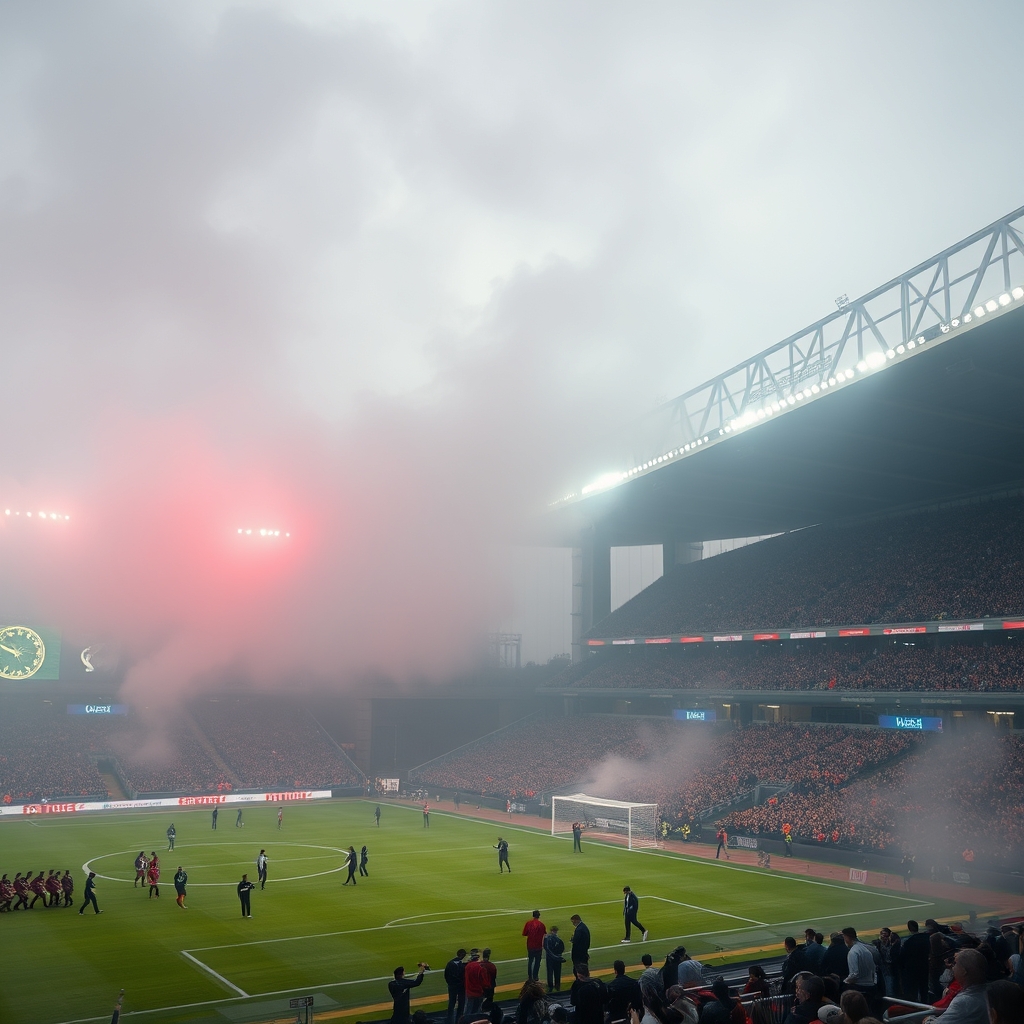
PARIS PROTESTS CRIPPLED NFL’S GLOBAL DREAMS: A SHOCKING PRELUDE TO AMERICAN COLLAPSE!
The news that the NFL, in its desperate, fumbling attempt to conquer the globe, is scrambling to relocate a Paris game to London due to “ongoing protests” is not just an amusing footnote in the world of professional sports. It is a stark, neon-flashing siren warning of the rot that has infested the very foundations of our society and the inevitable economic chaos that awaits the average American. This isn’t about pigskin and touchdowns; it’s about the crumbling edifice of American exceptionalism and the financial ruin that will inevitably follow. The sheer audacity of the NFL’s global ambitions, now reduced to a pathetic logistical scramble because a few thousand people in Paris decided to voice their discontent, reveals a profound disconnect from reality that mirrors the detached pronouncements of our own political elites. While they hobnob with foreign potentates and chase phantom global markets, the infrastructure of American life – both literal and metaphorical – crumbles around us. The money poured into these far-flung spectacles, the resources diverted, the attention squandered, could have been invested in our own decaying cities, our own neglected communities, our own dwindling opportunities. Instead, we are subjected to this spectacle of hubris, a clear sign that those in power are more interested in projecting an image of global influence than in ensuring the basic well-being of their own citizens.
This debacle is a microcosm of a larger systemic failure. The “ongoing protests” that have disrupted the NFL’s grand Parisian soiree are not isolated incidents; they are symptoms of a world increasingly fractured, volatile, and resistant to the simplistic narratives of globalization that American corporations and politicians have long peddled. For the average American, this translates directly into economic insecurity. The resources – financial, political, and intellectual – that are being frittered away on these international ventures are resources that are *not* being deployed to address the real, pressing issues at home. Think about it: a multi-million dollar NFL game, abandoned because of a few hundred or thousand protesters. What does that say about the stability of the global order we’ve been told is so beneficial? It suggests that the entire enterprise is built on a foundation of sand, susceptible to the slightest tremor of dissent. This instability inevitably translates into volatile markets, unpredictable supply chains, and an ever-increasing cost of living for the average family. When our corporate titans are more focused on selling a fantasy to foreign lands than on securing stable, domestic production and fair wages, everyone on the bottom loses. The billions spent on foreign ventures could have been invested in American jobs, American manufacturing, and American innovation, but instead, they are chasing a mirage of global relevance that is rapidly dissolving.
The scrapping of multiple Saturday events by the NFL due to these protests is not just an inconvenience for fans; it’s a harbinger of the widespread disruption that awaits us. This isn’t just about football. It’s about the inherent fragility of systems that rely on a veneer of order and stability that is rapidly eroding. For the average American, this means higher prices at the grocery store, fewer job opportunities, and a constant gnawing anxiety about the future. The global interconnectedness that we’ve been told is a boon is, in reality, a liability, making us vulnerable to every geopolitical tantrum and social upheaval on the planet. Our supply chains, already stretched thin by years of outsourcing and corporate greed, will become even more unreliable. The cost of energy, of manufactured goods, of virtually everything we consume, will skyrocket as global instability makes reliable access a distant dream. The billions that are being pumped into these international ventures, these attempts to project an image of American dominance, are funds that are being siphoned away from the very infrastructure that could provide some modicum of security for ordinary citizens. We are being sold a bill of goods, a narrative of prosperity and global leadership, while the ground beneath our feet is turning to quicksand. The NFL’s Parisian fiasco is just a small, pathetic preview of the larger economic collapse that is rapidly approaching.
This is not a drill. The NFL’s logistical nightmare in Paris is a symptom of a deeper malaise, a systemic rot that is eating away at the American dream. The “ongoing protests” are not just a local disturbance; they are a global symptom of a world teetering on the brink of chaos, a world that is increasingly hostile to the unfettered globalization that has enriched a select few at the expense of the many. For the average American, this means a future of heightened economic precarity, diminished opportunities, and the erosion of any semblance of stability. The resources and attention lavished on these international escapades – the billions spent on marketing, on logistics, on appeasing foreign sensibilities – are resources that are being deliberately diverted from the urgent need to rebuild our domestic economy, shore up our failing infrastructure, and create sustainable jobs for our own citizens. This is not about protecting American interests abroad; it’s about a desperate, misguided attempt to maintain a global hegemony that is already slipping through our fingers. The eventual consequences will be felt not on the manicured lawns of Paris or London, but in the struggling households and depleted communities across America, where the hollow promises of global engagement will ring hollow against the stark reality of economic collapse.
Frequently Asked Questions
Will protests in Europe affect my gas prices?
Yes, global instability and protests can disrupt energy markets, leading to unpredictable price hikes at the pump. This makes your commute and daily expenses more expensive.
Could this mean fewer jobs for Americans?
When companies prioritize expensive international ventures over domestic investment, it often means fewer resources available for job creation and wage growth within the United States. This can lead to increased unemployment and stagnant incomes.
Is the American economy really heading for collapse?
While “collapse” is a strong word, systemic risks like global instability, economic inequality, and a focus on foreign ventures over domestic needs create significant vulnerabilities. These factors could lead to severe economic downturns and hardship for many Americans.

Based on reporting from: www.nbcsports.com

Marcus Hale is a geopolitical risk analyst and investigative journalist with over a decade of experience covering economic instability, foreign policy, and systemic risk. A former consultant to financial institutions and government think tanks, Marcus has spent his career stress-testing optimistic narratives and finding the structural cracks underneath. He founded TheWorstView.today because he believes that the most patriotic thing an American can do is refuse to be comforted by convenient lies.
Drowning in despair?
It’s not all hellfire and brimstone. See the naively optimistic (but much happier) version of this story on The Best View.
Check the Bright Side →