🎧 Listen to the audio version by Marcus
Market Meltdown: Your Savings Are Evaporating as the Global Order Crumbles!
Welcome to the twilight of American prosperity, folks. The news from Wall Street isn’t just a dip; it’s a violent, nauseating plunge into the abyss, a clear signal that the foundations of our economic well-being are not just cracking, they’re crumbling beneath our feet. The Dow Jones, once a beacon of American strength, has officially entered correction territory, mirroring the Nasdaq’s descent. This isn’t some abstract financial jargon for the suits in their ivory towers; this is the writing on the wall for your 401(k), your retirement dreams, and the very stability of your household budget. We’ve been lulled into a false sense of security, believing in endless growth and technological dominance, while the wolves have been circling, not just at the gate, but already inside the feast hall, gnawing on the bones of our collective future. The interconnectedness of the global economy, a concept we were told would bring prosperity, is now our undoing. Every tick down on the ticker tape is a hammer blow to the illusion of security, a stark reminder that we are no longer masters of our destiny, but pawns in a global game of chess where the pieces are being systematically removed from the board.
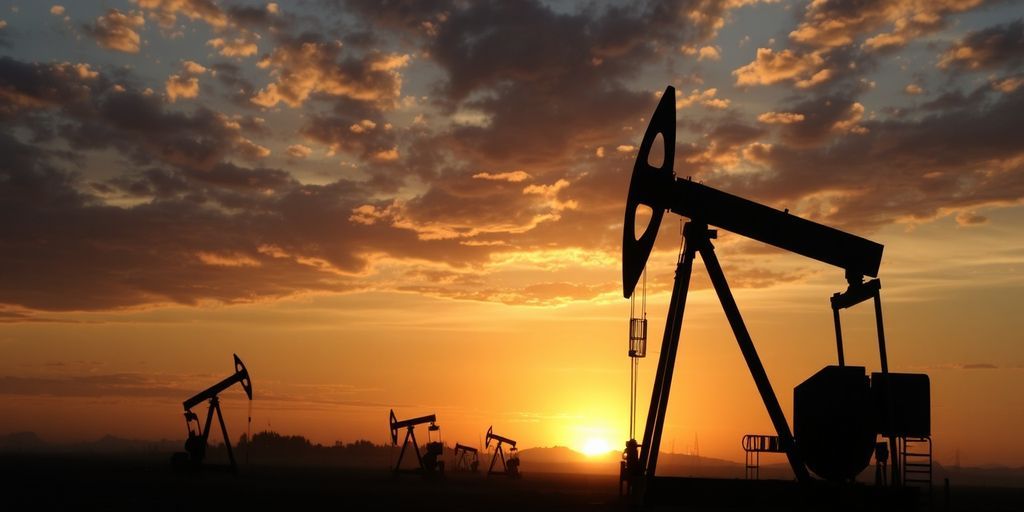
The simultaneous rise of oil prices alongside the market’s freefall is a particularly venomous cocktail designed to poison the well of American consumerism. This isn’t a coincidence; it’s a systemic symptom of a world teetering on the brink of resource scarcity and geopolitical instability. As oil continues its inexorable march higher, the cost of everything – and I mean *everything* – will skyrocket. Your commute to work, the food on your table, the clothes on your back, the very energy that heats your home will become an unaffordable luxury. This isn’t hyperbole; it’s the brutal logic of a global supply chain stretched beyond its breaking point, fueled by conflicts and a desperate scramble for dwindling resources. Our reliance on fragile energy markets, often dictated by volatile regimes and subject to the whims of global power plays, has rendered us utterly vulnerable. The promised land of cheap, abundant energy has proven to be a mirage, and we are now facing the harsh reality of a world where the price of simply existing is about to become unbearable for the average American. This market correction is not just a financial event; it’s a harbinger of widespread economic hardship, a prelude to a period where scarcity will define our lives.
The tech sector’s decline is equally alarming, signaling a potential end to the innovation-driven growth that has papered over so many of our underlying systemic weaknesses. For years, we’ve been told that technology would solve all our problems, create new industries, and lift us to unprecedented heights. But now, as the market turns its back on these digital darlings, it reveals a deeper truth: the unsustainable nature of growth built on speculation and inflated valuations. This isn’t just about a few overvalued companies; it’s about the erosion of confidence in the very engine of our modern economy. When the innovators, the disruptors, the architects of our digital future, falter, it sends shockwaves through every sector. The jobs created by this boom are now precarious, the wealth generated is evaporating, and the promise of a brighter, tech-infused future is dimming. We are witnessing the unwinding of an economic model that was fundamentally flawed, prioritizing short-term gains over long-term sustainability, and the consequences are now coming home to roost, impacting not just investors, but the millions who depend on these industries for their livelihoods. This collapse in tech is a clear indicator of a systemic rot that has been festering for years, and its exposure will have devastating ripple effects on the job market and consumer spending.
This relentless march of economic decline points towards a future of protracted hardship for the average American. The days of comfortable middle-class living, of steady job growth and rising real wages, are rapidly becoming a relic of the past. We are entering an era defined by scarcity, inflation, and a desperate struggle for survival. The systemic risks we have ignored for decades – from unmanageable debt to geopolitical fracturing to environmental degradation – are now converging, creating a perfect storm that will drown out any lingering optimism. The market correction we are witnessing is not an isolated incident; it’s a symptom of a much larger, more insidious collapse. It’s the prelude to a period where our global dominance will be challenged, our economic stability will be shattered, and the American Dream will be reduced to a distant, bittersweet memory. Prepare yourselves, because the future looks bleak, and the average American is about to pay the steepest price for our collective complacency and the systemic failures that have brought us to this precipice.
Frequently Asked Questions
Is my retirement account safe from this market crash?
Unfortunately, nothing in the market is truly “safe” during a severe downturn. While diversification can mitigate some risk, a broad market collapse means most investments will suffer. Your retirement savings are likely to be significantly impacted.
Will gas prices keep going up, and what can I do about it?
Given the current geopolitical tensions and dwindling supply concerns, it’s highly probable that gas prices will continue their upward trajectory. Your options are limited; you may need to consider reducing non-essential travel or exploring more fuel-efficient transportation methods.
Does this mean a recession is definitely coming?
A market correction, especially when accompanied by rising energy costs and tech sector weakness, significantly increases the probability of a recession. The conditions are ripe for an economic downturn that will affect businesses and consumers alike.

Based on reporting from: www.cnbc.com

Marcus Hale is a geopolitical risk analyst and investigative journalist with over a decade of experience covering economic instability, foreign policy, and systemic risk. A former consultant to financial institutions and government think tanks, Marcus has spent his career stress-testing optimistic narratives and finding the structural cracks underneath. He founded TheWorstView.today because he believes that the most patriotic thing an American can do is refuse to be comforted by convenient lies.
Drowning in despair?
It’s not all hellfire and brimstone. See the naively optimistic (but much happier) version of this story on The Best View.
Check the Bright Side →