🎧 Listen to the audio version by Marcus
Iran’s Oil Heartlands Scorched: America’s Descent into Endless War Accelerates
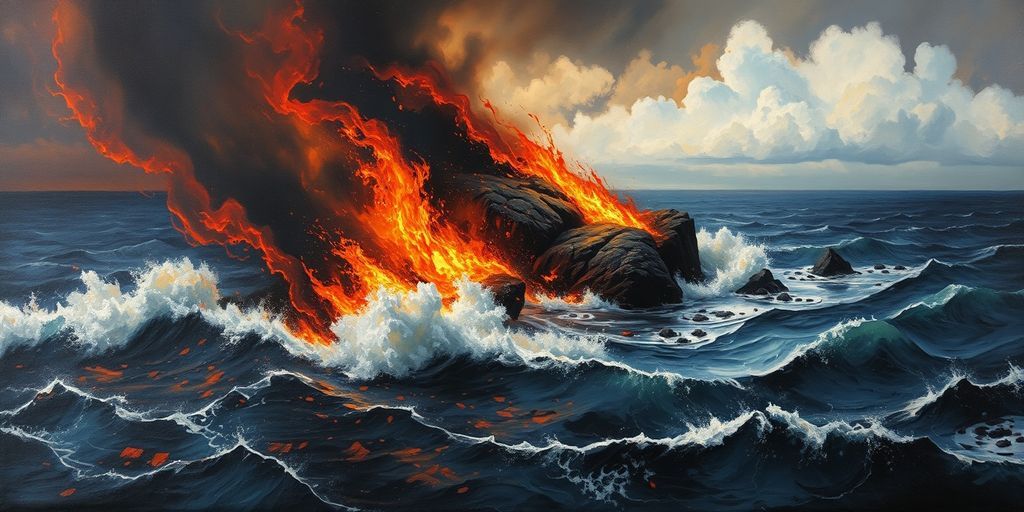
The latest headlines blare with a perverse sense of accomplishment: “Trump says U.S. struck Kharg Island, core of Iran’s oil economy.” Let’s cut through the triumphalist rhetoric and face the grim reality. This isn’t a strategic victory; it’s another step into the abyss, a guaranteed drain on American prosperity and security, and a harbinger of further instability that will inevitably land on the doorstep of every hardworking American. While the administration claims oil infrastructure was “preserved,” the targeting of Kharg Island, the very nexus of Iran’s energy exports, is an act of aggression that cannot be contained. This is not about protecting American interests; it’s about perpetuating a cycle of conflict that enriches the military-industrial complex and impoverishes the average citizen. Every bomb dropped, every missile fired, represents resources diverted from our crumbling infrastructure, our underfunded schools, and the healthcare needs of our own people. The dollars spent in the sands of the Middle East could be rebuilding our cities, investing in our future, or simply putting food on the table for families struggling to make ends meet. This is not abstract geopolitics; it is a direct assault on your wallet and your future.
The immediate economic fallout is already being felt, though the mainstream media, ever eager to please the powers that be, will likely downplay it. Disruptions to global oil markets, even if indirect, translate into higher gasoline prices at the pump. This isn’t a temporary blip; it’s a systemic shock to an already fragile global economy. Iran, even with its oil infrastructure largely intact, will retaliate. This could manifest in myriad ways, from increased cyberattacks targeting American financial institutions to the disruption of shipping lanes vital to our supply chains. Think about the empty shelves you’ve already seen, the inflated prices of everyday goods. Now imagine those problems amplified, exacerbated by a conflict that could easily spiral out of control. The “preservation” of oil infrastructure is a hollow promise. The very act of striking the island, a symbol of Iranian economic power, is an invitation to further escalation. This will inevitably lead to more American lives put at risk, more treasure poured into a bottomless pit, and a further erosion of our nation’s standing in the world. We are not making the world safer; we are making it more dangerous, and we are footing the bill.
Beyond the immediate economic pain, this action signals a deepening commitment to a foreign policy of perpetual intervention. The notion that we can surgically strike at the “core of Iran’s oil economy” without significant, long-term repercussions is dangerously naive. This isn’t a contained incident; it’s a spark that could ignite a regional conflagration. The consequences will ripple outward, fueling anti-American sentiment, empowering extremist groups, and further destabilizing an already volatile region. For the average American, this means a future of increased military spending, a continued erosion of civil liberties in the name of national security, and a persistent sense of unease as our nation remains entangled in endless conflicts. We are not the world’s police force; we are a nation that is increasingly bankrupting itself on foreign adventures that yield nothing but resentment and further threats. The strategic “wins” touted by politicians are illusions, masks for a slow, agonizing decline driven by an insatiable appetite for war.
The long-term implications are even more chilling. Each escalation, each intervention, chips away at the foundations of American strength. We are draining our resources, our moral authority, and our national will. The constant state of conflict, whether overt or covert, fosters a climate of fear and division at home, making it harder to address the fundamental challenges facing our society. This strike on Kharg Island is not an isolated event; it is a symptom of a deeper malaise, a foreign policy driven by short-sighted expediency and a dangerous misunderstanding of the complex realities of the world. The average American will continue to pay the price, not just in their wallets, but in the diminished prospects for their children and grandchildren. We are sacrificing our future on the altar of a misguided and ultimately destructive foreign policy.
Frequently Asked Questions
Will higher gas prices be a direct result of this strike?
Yes, any significant disruption or perceived threat to major oil-producing regions like Kharg Island can lead to increased global oil prices. This translates directly to higher costs at the pump for American consumers, impacting their daily budgets and the cost of goods.
Could this conflict with Iran lead to widespread economic instability?
Absolutely. Escalation in the Middle East can trigger retaliatory actions, such as attacks on shipping lanes or cyber warfare, which disrupt global trade and financial markets. This instability can lead to inflation, job losses, and a general economic downturn that affects everyday Americans.
What are the long-term implications of increased military involvement in Iran?
Prolonged military engagements drain national resources, increase national debt, and divert funds from domestic needs like infrastructure and education. Furthermore, they can foster anti-American sentiment, create power vacuums, and lead to further regional conflicts, posing ongoing security and economic risks for decades to come.

Based on reporting from: www.washingtonpost.com

Marcus Hale is a geopolitical risk analyst and investigative journalist with over a decade of experience covering economic instability, foreign policy, and systemic risk. A former consultant to financial institutions and government think tanks, Marcus has spent his career stress-testing optimistic narratives and finding the structural cracks underneath. He founded TheWorstView.today because he believes that the most patriotic thing an American can do is refuse to be comforted by convenient lies.
Drowning in despair?
It’s not all hellfire and brimstone. See the naively optimistic (but much happier) version of this story on The Best View.
Check the Bright Side →