AMERICAN DREAM CRUMBLES AS COWBOYS’ HOLLOW VICTORY EXPOSES DEEPER NATIONAL DECAY!
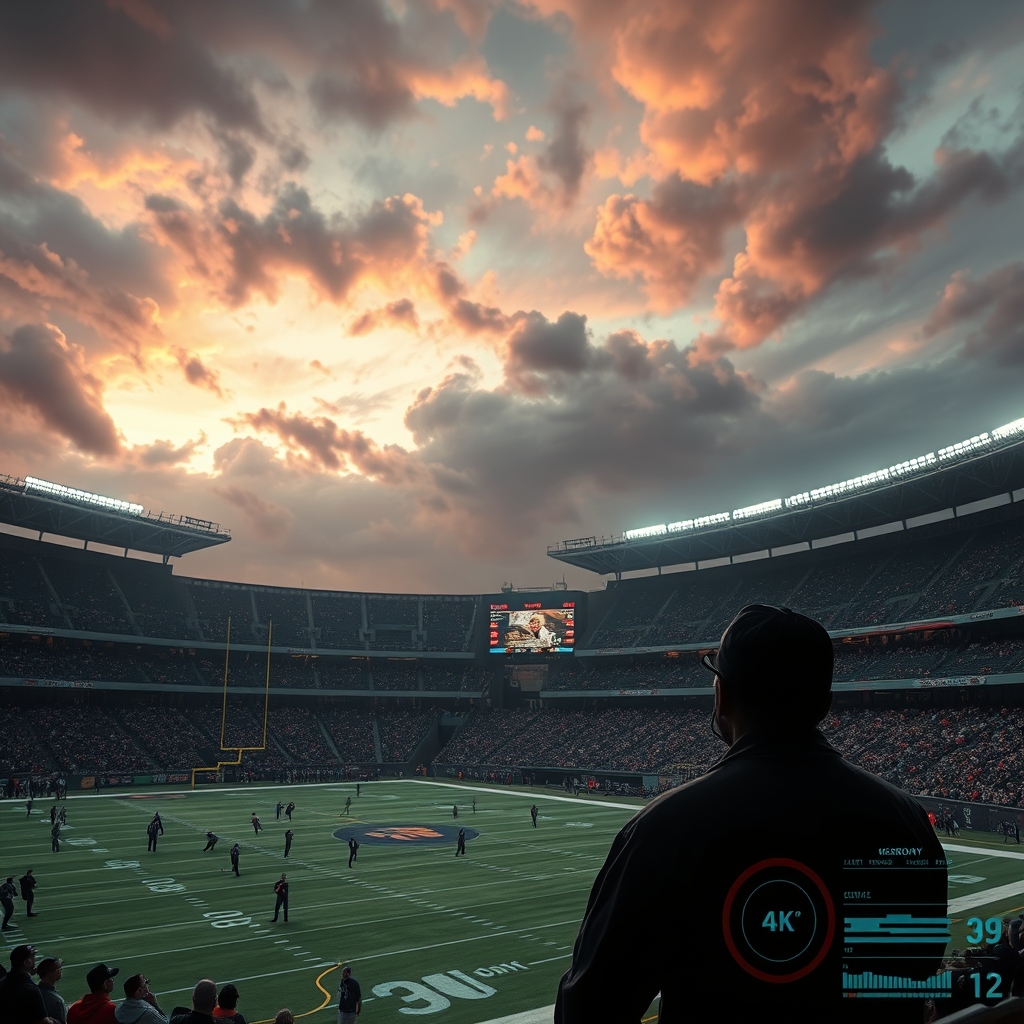
In a nation teetering on the brink, where the illusion of prosperity is maintained by ever-thinning veneers of manufactured consent and fleeting entertainment, we are presented with yet another supposed triumph. The Dallas Cowboys, our vaunted gladiators of the gridiron, have “escaped” with a victory. But let us not be fooled by the superficial sheen of sporting success. This is not good news for the average American; it is a stark, undeniable symptom of our terminal decline. While the billionaires who own these teams rake in obscene profits, funded by our dwindling disposable income and the exploitation of labor, we are distracted by the spectacle of grown men chasing a leather egg. This victory, if you can even call it that, merely postpones the inevitable reckoning. It allows the narrative of American exceptionalism to persist, a comforting lie that blinds us to the crumbling infrastructure, the ballooning national debt, and the growing chasm between the ultra-rich and the struggling masses. The fact that they now “get to see how they stack up against a Super Bowl contender” is less about athletic prowess and more about a desperate attempt to maintain the illusion of competitive greatness in a world that is rapidly outpacing us. We are pouring our precious resources, our attention, and our hopes into a theatrical performance while the real systems that support our lives are collapsing under their own weight.
This seemingly innocuous sports headline is a potent metaphor for the systemic risks we face. The Cowboys’ “escape” signifies our own precarious position, clinging to superficial victories while ignoring the fundamental flaws in our economic and social structures. The pursuit of a Super Bowl, much like the pursuit of ever-increasing GDP figures or fleeting stock market highs, is a distraction from the existential threats. Our reliance on these manufactured narratives prevents us from confronting the reality of our eroding manufacturing base, our dependence on volatile global supply chains, and the ever-present specter of runaway inflation that gnaws at the purchasing power of every working American’s paycheck. This focus on short-term “wins” in the arena of sport mirrors our political class’s obsession with election cycles, perpetually kicking the can down the road on issues like climate change, healthcare affordability, and the unsustainable burden of our national debt. The energy and capital poured into this national obsession could, and *should*, be directed towards rebuilding our nation, fostering genuine innovation, and ensuring a livable future for our children, but that would require a level of foresight and collective action that seems utterly alien to our current trajectory.
The economic consequences for the average American are profound and insidious. Every dollar spent on tickets, merchandise, and the endless consumption fueled by sports fandom is a dollar not saved, not invested in education, not used to pay down crushing debt. The corporate sponsorship behemoths that dominate this landscape, enriching shareholders and executives, are simultaneously lobbying to weaken regulations, suppress wages, and extract every last drop of value from the labor market. This “victory” for the Cowboys is, in reality, a victory for the forces that commodify our leisure and exploit our passions. It allows the myth of upward mobility, where anyone can achieve greatness through hard work and talent, to persist, while the reality for most is stagnant wages, precarious employment, and the constant struggle to make ends meet. We are conditioned to celebrate the success of a select few, a tiny fraction of a percent, while the vast majority are left to inherit the consequences of systemic neglect. This is not merely about football; it is about the narrative of a nation that has prioritized entertainment over substance, spectacle over stability, and profit over people.
Looking ahead, this shallow triumph is a harbinger of long-term collapse. As our focus remains fixated on the fleeting glories of the sports arena, we are neglecting the critical, foundational elements of a functioning society. The infrastructure is decaying, the educational system is failing to equip future generations with relevant skills, and the social safety nets are threadbare. This victory, and the national obsession it represents, is a testament to our collective inability to prioritize long-term survival over immediate gratification. We are a nation addicted to distractions, a society that prefers the roar of the crowd to the quiet hum of responsible governance. The true contenders for our nation’s future are not on a football field, but in the labs, the classrooms, and the halls of power, where decisions about our collective destiny are being made, or, more often, are conspicuously absent. The Cowboys may have “escaped” this particular game, but we, the average Americans, are trapped in a far more perilous contest, and the odds are decidedly not in our favor.
Frequently Asked Questions
Will this Cowboys win actually impact my everyday life?
Indirectly, yes. The immense financial resources poured into professional sports distract from critical national issues like infrastructure and education. It perpetuates a narrative of superficial success while real problems fester.
How does sports spending affect the economy for the average person?
Consumer spending on sports is often discretionary, diverting funds that could be used for savings, investments, or essential needs. It also fuels a corporate ecosystem that prioritizes shareholder profit over worker well-being.
Is focusing on sports a sign of national decline?
When national discourse is dominated by entertainment spectacles while fundamental societal challenges are ignored, it can indeed be a symptom of prioritizing illusion over the difficult work of rebuilding and maintaining a functional society.

Based on reporting from: www.nfl.com

Marcus Hale is a geopolitical risk analyst and investigative journalist with over a decade of experience covering economic instability, foreign policy, and systemic risk. A former consultant to financial institutions and government think tanks, Marcus has spent his career stress-testing optimistic narratives and finding the structural cracks underneath. He founded TheWorstView.today because he believes that the most patriotic thing an American can do is refuse to be comforted by convenient lies.
Drowning in despair?
It’s not all hellfire and brimstone. See the naively optimistic (but much happier) version of this story on The Best View.
Check the Bright Side →