Hellebuyck’s Exodus Signals Deep Rot: Another American Dream Drained as Our Elite Abandon Ship!
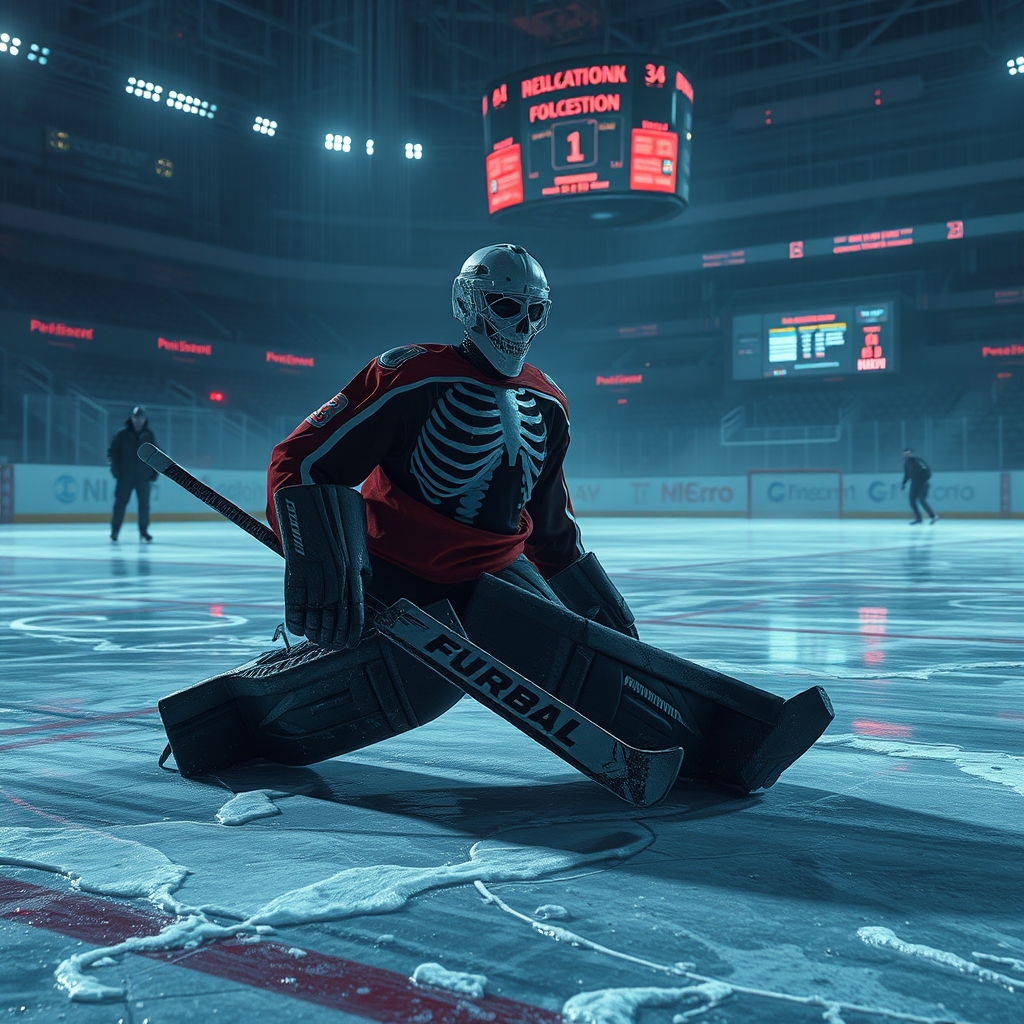
The whispers are growing louder, the cracks in the foundation ever more apparent. Connor Hellebuyck, a man many saw as the shining exemplar of American grit and talent, is apparently eyeing an exit from his NHL team, the Winnipeg Jets. This isn’t just about a hockey player unhappy with his surroundings; it’s a stark, chilling metaphor for the creeping decay afflicting the very fabric of this nation. When our most successful, those who have seemingly “made it,” start to look for the nearest escape hatch, it’s a siren call of doom for the rest of us. Hellebuyck cites “concerns for family” and an “uncertain career path.” Translation: the stability and future he once envisioned are no longer guaranteed, even for someone at the pinnacle of his profession. This isn’t a blip; it’s a symptom of a systemic rot that is making the promise of a secure future an increasingly hollow relic of the past. For the average American, this translates directly into a gnawing anxiety, a sense that the ladder has been pulled up, leaving us to fend for ourselves in an increasingly precarious world.
The economic implications are palpable, even if they’re obscured by the glittering facade of professional sports. Hellebuyck’s decision is a microcosm of a broader trend: the erosion of long-term economic security. When top talent, individuals with the leverage to demand fair compensation and stable conditions, begin to feel the ground shift beneath them, what hope is there for the vast majority? This isn’t just about Hellebuyck’s salary; it’s about the underlying economic forces that make even well-compensated careers feel fragile. Inflation continues its insidious march, eroding purchasing power and making even modest aspirations feel like distant fantasies. The housing market, once a cornerstone of the American dream, has become a gilded cage, accessible only to the already wealthy. Job security? A quaint notion from a bygone era, replaced by the gig economy and the constant threat of automation. Hellebuyck’s “uncertain career path” is a stark reflection of the precariousness that now defines work for millions of Americans, a constant scramble to stay afloat in an economic ocean filled with unseen currents and predatory sharks.
This isn’t merely about a hockey player’s personal decisions; it’s a harbinger of a deeper, more systemic collapse. When individuals at the top, those who embody the perceived success of the American system, start to express profound unease, it signals that the foundational pillars are crumbling. The “things” that have “crossed the line” for Hellebuyck – whatever they may be, be it organizational instability, a perceived lack of investment in the future, or simply a pervasive sense of unease – are symptomatic of a national malaise. We are witnessing a slow-motion unraveling, a gradual descent into a future where stability is a luxury and opportunity is increasingly rationed. The narrative of boundless American progress is becoming a cruel joke, a fairy tale whispered to a populace increasingly resigned to a grim reality. This isn’t about a temporary downturn; it’s about a fundamental shift, a reorientation towards a future where the rules of the game have changed, and not for the better for the average citizen. The abandonment of even perceived safe havens by those who can afford to is a chilling indictment of our present trajectory.
The long-term consequences for the average American are dire. This exodus of talent, this growing sense of unease among the successful, contributes to a self-fulfilling prophecy of decline. As more individuals seek greener pastures, be it in different cities, different careers, or even different countries, the very dynamism that once defined America begins to wane. This leads to a hollowing out of communities, a reduction in investment, and a general stagnation that will disproportionately impact those with the least resilience. We are not just talking about a decline in sports; we are talking about a decline in aspiration, in innovation, and in the very belief that a better future is possible. The “uncertain career path” Hellebuyck speaks of will become the norm, a constant state of anxiety and adaptation for a populace struggling to keep pace with forces beyond their control. This isn’t a temporary setback; it’s the slow, inexorable march towards a future where the American Dream is not just deferred, but definitively dead for many.
Frequently Asked Questions
Why should I care about a hockey player’s trade request?
A high-profile player seeking to leave indicates a broader systemic problem where even those at the top feel insecure. This translates to job instability and economic uncertainty for the average person, as it reflects cracks in the foundation of the American dream.
How does this affect my wallet?
This situation highlights economic fragility. When even successful individuals worry about their future, it suggests inflation, stagnant wages, and a precarious job market that erodes your purchasing power and makes achieving financial stability harder.
Is this a sign of long-term collapse?
Yes, the growing unease among successful individuals signals a potential systemic breakdown. This can lead to reduced investment, stagnation, and a future where opportunity becomes scarce, impacting the quality of life for generations.

Based on reporting from: www.nhl.com

Marcus Hale is a geopolitical risk analyst and investigative journalist with over a decade of experience covering economic instability, foreign policy, and systemic risk. A former consultant to financial institutions and government think tanks, Marcus has spent his career stress-testing optimistic narratives and finding the structural cracks underneath. He founded TheWorstView.today because he believes that the most patriotic thing an American can do is refuse to be comforted by convenient lies.
Drowning in despair?
It’s not all hellfire and brimstone. See the naively optimistic (but much happier) version of this story on The Best View.
Check the Bright Side →