THE POPE’S DECLINE: A SHADOW OVER AMERICA’S FRAYING FAITH AND FAILING MARKETS
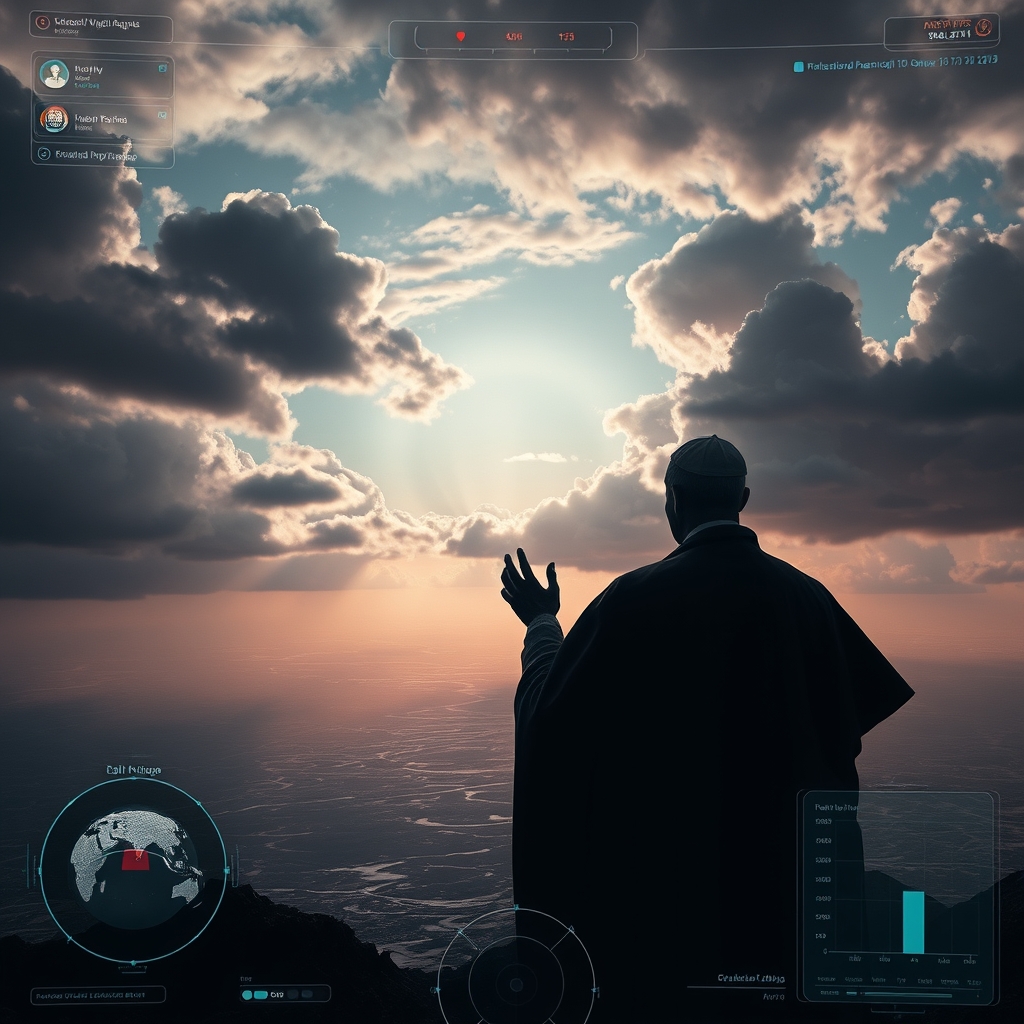
Just when you thought things couldn’t get any bleaker, a chilling wind blows from the south, carrying not just the scent of distant revolution but the undeniable whiff of decay. Pope Leo XIV, a figurehead for a dwindling flock, is embarking on a “breakout moment” in Latin America. Let’s be clear: this isn’t about spiritual renewal for the masses; it’s a desperate gambit by a crumbling institution to find relevance in a world rapidly shedding its old gods. For the average American, this is not just an abstract headline about a foreign dignitary’s health. It’s a stark, albeit circuitous, reminder of the systemic rot that infects our own society. His recent bout with cancer, barely shrugged off, is a fitting metaphor for the terminal illnesses plaguing both religious and secular institutions worldwide. As he attempts to navigate the “tide of secularism and deep polarization,” he’s not just battling local sentiment; he’s confronting the very forces that are steadily dismantling the foundational myths and shared values that once held societies, including our own, together. His “high altitude” journey is less about spiritual elevation and more about clinging to a precarious perch before the inevitable fall.
The implications for the average American are more profound than they appear. This “breakout moment” is a desperate attempt to shore up influence for an institution that, like so many others in the West, is losing its grip. When a religious leader, even one as symbolically significant as the Pope, is battling personal frailty and confronting widespread apathy, it speaks volumes about the fragility of established power structures. In Latin America, we see echoes of the same disillusionment that grips America: growing economic inequality, political schisms that defy resolution, and a gnawing sense of being left behind. The Pope’s struggle to connect with a secularizing populace mirrors our own struggles to find common ground in an increasingly fragmented and cynical nation. His efforts to exert influence are a futile attempt to reassert an authority that has long since eroded, much like the erosion of trust in our own governmental institutions, our media, and even our economic forecasts. This isn’t just a papal visit; it’s a symptom of a global malaise, a harbinger of further instability that will inevitably ripple back to our shores, impacting everything from our already precarious supply chains to the very fabric of our social contract.
Furthermore, consider the economic underpinnings of this unfolding drama. While the Pope’s visit is framed in spiritual terms, the underlying currents are deeply economic. Latin America, a region perpetually grappling with debt, corruption, and resource exploitation, is fertile ground for either radical change or further entrenchment of the status quo. The Pope’s pronouncements, however well-intentioned, are unlikely to alter the fundamental economic realities that drive populations towards desperation and disillusionment. For Americans, this is crucial. The stability of global markets, our own access to raw materials, and the eventual demand for our exports are all intrinsically linked to the fortunes of regions like Latin America. A region mired in persistent instability, fueled by economic despair and political polarization, is a drag on the global economy. This translates directly into higher inflation, fewer investment opportunities, and a general sense of economic insecurity for the average American family. The Pope’s health may be a personal trial, but the systemic issues he’s confronting are economic earthquakes that will eventually shake our own foundations.
The long-term implications are chilling. As established institutions like the Papacy struggle to maintain relevance, and as secular governments grapple with seemingly intractable divisions, we are witnessing a gradual unraveling of the very order that has provided a modicum of stability for decades. This isn’t just about the Pope’s declining health; it’s about the declining health of belief itself – belief in institutions, belief in progress, and belief in a shared future. For the average American, this means a future of increased uncertainty. Expect more volatile markets, more unpredictable geopolitical shifts, and a further erosion of the social cohesion that makes collective action and economic prosperity possible. The Pope’s “high altitude” challenge is a visual metaphor for our own precarious position, standing on the precipice of a long, slow descent into a less predictable, more dangerous world. The seeds of collapse are being sown in the very fabric of global affairs, and the average American will bear the brunt of the harvest.
Frequently Asked Questions
Will the Pope’s health affect global markets?
While not a direct cause, the Pope’s declining health can symbolize broader institutional fragility. This, coupled with the instability in regions he visits, can contribute to investor uncertainty and impact global economic sentiment.
How does secularism in Latin America impact the US economy?
Increased secularism can correlate with shifts in social and political stability. Unstable regions often lead to disrupted trade routes, volatile commodity prices, and reduced foreign investment, all of which can negatively affect American consumers and businesses.
Is the Pope’s visit a sign of a larger global collapse?
The Pope’s visit, and his personal health struggles alongside the regional polarization, can be seen as symptoms of broader systemic challenges. The erosion of traditional institutions and shared values globally contributes to a sense of instability that could lead to a prolonged period of economic and social decline.
Based on reporting from: www.washingtonpost.com

Marcus Hale is a geopolitical risk analyst and investigative journalist with over a decade of experience covering economic instability, foreign policy, and systemic risk. A former consultant to financial institutions and government think tanks, Marcus has spent his career stress-testing optimistic narratives and finding the structural cracks underneath. He founded TheWorstView.today because he believes that the most patriotic thing an American can do is refuse to be comforted by convenient lies.
Drowning in despair?
It’s not all hellfire and brimstone. See the naively optimistic (but much happier) version of this story on The Best View.
Check the Bright Side →