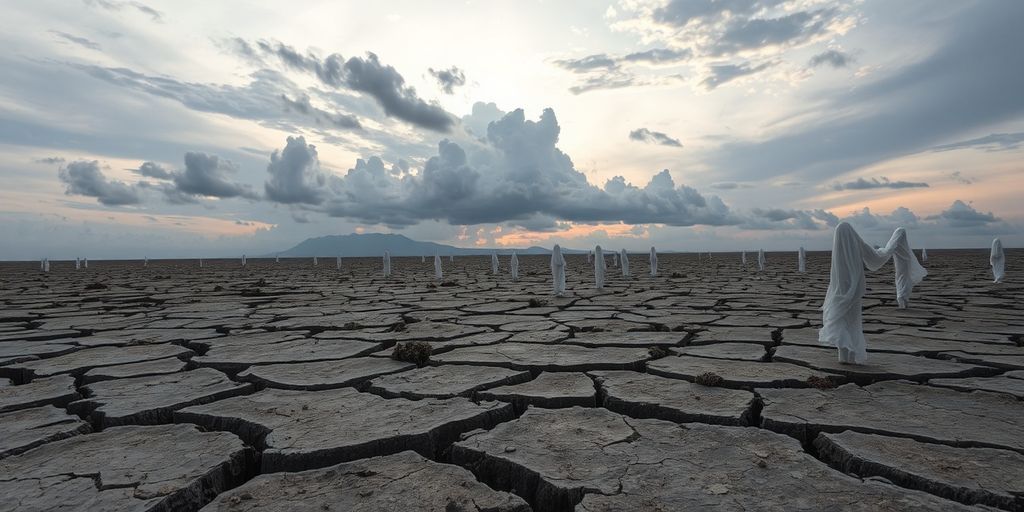
The Unraveling: Hormuz Chaos Is Coming for Your Wallet, Your Deliveries, and Your Future
Forget what the talking heads on cable news tell you about temporary price hikes. The latest rumblings from the Strait of Hormuz are not just about the price of gasoline at the pump – a simplistic view that conveniently ignores the rot at the core of our globalized, hyper-fragile supply chains. This is about a systemic unraveling, a slow-motion collapse initiated by the capricious forces of geopolitics, and it will trickle down to the very fabric of your daily existence, whether you realize it or not. The notion that we can insulate ourselves from these seismic shifts is a dangerous delusion peddled by those who profit from the current, unsustainable order. The reality is far grimmer: we are witnessing the erosion of predictability, the decay of reliability, and the insidious creep of scarcity into every corner of our lives. Everything from the humble garden trowel you might use to cultivate a meager patch of food to the frivolous birthday balloons that momentarily distract from the encroaching dread, and yes, even the highly complex semiconductors that power our digital lives, are now vulnerable to the ripple effects of this volatile region. This isn’t a storm on the horizon; it’s the rising tide lapping at our foundations.
The Strait of Hormuz, a chokepoint through which a significant portion of global energy and goods flows, has always been a volatile nexus. But in today’s fractured world, where alliances shift like desert sands and old grievances fester, the potential for disruption is amplified to an unprecedented degree. Consider the cascading effect. Any significant interruption in maritime traffic through Hormuz doesn’t just mean higher oil prices, though that alone is a crushing blow to an already strained American economy. It means that the vast array of manufactured goods that rely on petroleum-based products for their production – plastics, fertilizers, synthetic materials – will inevitably see their costs skyrocket. This translates directly into inflated prices for everything from the packaging that protects your online purchases to the components used in everything from your car to your smartphone. The economists will talk about supply and demand, but they conveniently omit the inherent instability of a system that has offshoreized production to such an extreme that a single, contested waterway can hold our entire economy hostage. This isn’t merely an economic inconvenience; it’s a stark demonstration of our systemic vulnerability.
Furthermore, the impact extends far beyond immediate price increases. The specter of shortages looms large. When supply chains are deliberately or inadvertently severed, the intricate dance of just-in-time manufacturing collapses. The semiconductors, the tiny brains of our modern world, are a prime example. Their production is a complex, multi-stage process with highly specialized components and raw materials that traverse the globe. A disruption in Hormuz could impact the availability of crucial petrochemicals used in their manufacturing, or delay the transport of finished goods. This means longer wait times for electronics, higher prices for everything from gaming consoles to critical industrial equipment, and a chilling effect on innovation and technological advancement. It forces us to confront the uncomfortable truth that our reliance on globalized, interconnected systems has made us incredibly susceptible to distant conflicts and geopolitical machinations that have little to do with our direct interests, but everything to do with our economic well-being and national security. The illusion of prosperity built on cheap, readily available goods is starting to crack, revealing the precarious edifice beneath.
For the average American, this isn’t an abstract geopolitical debate. It’s the slow, agonizing squeeze on their household budget. It’s the realization that the aspirations of homeownership, a comfortable retirement, or even a simple vacation are becoming increasingly out of reach as essential goods become luxuries. It’s the quiet desperation of watching your savings dwindle while the cost of living relentlessly climbs, fueled by factors you can’t control and seemingly have no power to influence. The promise of American prosperity, once seemingly inexhaustible, is being chipped away, replaced by a gnawing anxiety about the future. The interconnectedness that was once lauded as a sign of global progress now feels like a straitjacket, binding us to the instability of far-flung regions. We are left to contemplate a future where basic necessities become precarious, where every purchase is a gamble against inflation and scarcity, and where the stability we took for granted has irrevocably eroded. This Hormuz inflation is not just about the price of things; it’s about the steady erosion of our standard of living and the dawning realization that the globalized world we built might be contributing to our own long-term decline.
Frequently Asked Questions
Will Hormuz inflation mean I can’t afford groceries?
While outright shortages of basic groceries are unlikely in the immediate term, expect significant price increases on a wide range of food items. This is due to inflated costs of fertilizers, packaging, and transportation, all of which are indirectly affected by disruptions in key shipping lanes.
How will this affect the price of electronics and cars?
Semiconductors and many components used in electronics and vehicles rely on global supply chains that are vulnerable to disruption. This means longer wait times for new devices and cars, and higher prices as demand outstrips limited supply.
Is there anything I can do to prepare for these price hikes and shortages?
Focusing on building a more resilient household budget is advisable. Consider reducing discretionary spending, exploring local sourcing for goods where possible, and being prepared for longer lead times on purchases.

Based on reporting from: www.politico.com

Marcus Hale is a geopolitical risk analyst and investigative journalist with over a decade of experience covering economic instability, foreign policy, and systemic risk. A former consultant to financial institutions and government think tanks, Marcus has spent his career stress-testing optimistic narratives and finding the structural cracks underneath. He founded TheWorstView.today because he believes that the most patriotic thing an American can do is refuse to be comforted by convenient lies.
Drowning in despair?
It’s not all hellfire and brimstone. See the naively optimistic (but much happier) version of this story on The Best View.
Check the Bright Side →