The Straits of Doom: America’s Impending Economic Collapse Fueled by $200 Oil
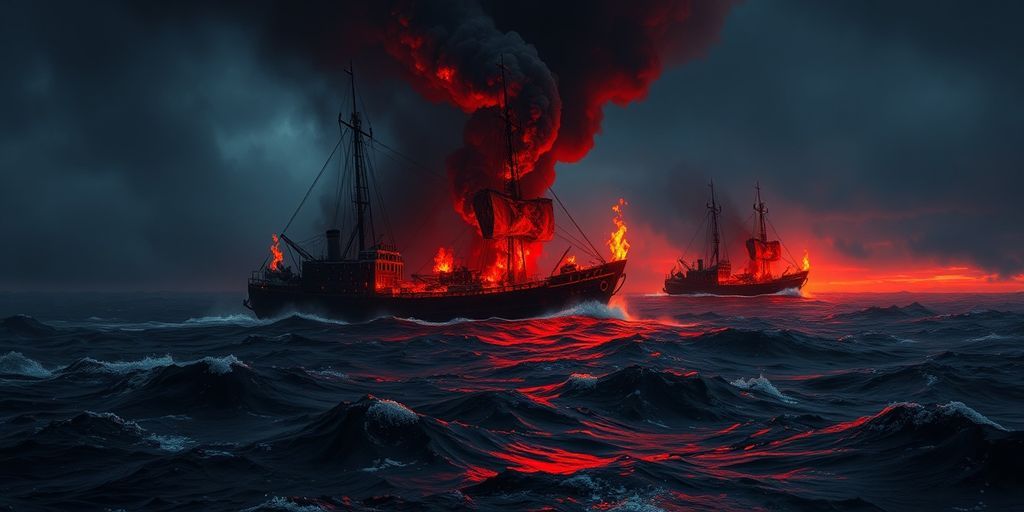
The latest tremors from the Persian Gulf are not mere news items; they are seismic warnings of an economic cataclysm heading straight for the average American. With three more vessels struck in the Strait of Hormuz and Iran brazenly declaring that $200 oil is on the horizon, we are witnessing the final, frantic unraveling of the delicate global energy order that has underpinned our prosperity for decades. This isn’t just about a few cents more at the pump; it’s about the very foundations of American life being hollowed out, brick by agonizing brick. The warnings have been ignored, the systemic vulnerabilities left unaddressed, and now the bill is coming due, payable in the rapidly depreciating currency of a once-stable nation.
For too long, we’ve operated under the delusion that geopolitical instability in faraway lands wouldn’t fundamentally alter the suburban dream. That illusion is about to shatter. The Strait of Hormuz, a choke point through which a fifth of the world’s oil supply passes, is now effectively a geopolitical minefield. When oil hits $200 a barrel, every aspect of your life will become exponentially more expensive, not just your commute. The cost of transporting food, manufacturing goods, and heating your home will skyrocket, pushing inflation from an annoyance to an existential threat. Businesses, already teetering on the edge, will collapse under the weight of exorbitant energy costs, leading to mass layoffs and a recession so deep it will make 2008 look like a minor market correction. Your savings, if you have any left, will be devoured by a rapidly depreciating dollar, a casualty of a global economy spiraling into energy-induced chaos.
This isn’t just about supply and demand; it’s about the weaponization of energy and the systemic brittleness of a globalized economy that prioritizes short-term gains over long-term resilience. Our reliance on fragile supply chains and foreign oil has always been a strategic Achilles’ heel, and Iran, ever the opportunist, is expertly exploiting this weakness. As the Middle East ignites, the world’s great powers will be drawn into the maelstrom, further destabilizing markets and diverting critical resources towards military posturing rather than economic stability. The petrodollar system, which has granted America unprecedented economic leverage, will come under immense pressure as nations scramble for alternative currencies and energy sources, accelerating the decline of the dollar’s global dominance. Our government, paralyzed by internal divisions and beholden to short-sighted electoral cycles, will prove utterly incapable of mounting a coherent response, only offering platitudes as the ship sinks.
The long-term consequences are nothing short of a profound decline in American living standards. The days of affordable housing, comfortable retirement, and upward mobility will recede into a nostalgic past, replaced by an era of scarcity and struggle. Infrastructure, already crumbling, will further decay as funds are diverted to the most basic necessities of energy and defense. Social cohesion will erode as economic desperation fuels internal strife, division, and an every-man-for
Based on reporting from: www.cnbc.com

Marcus Hale is a geopolitical risk analyst and investigative journalist with over a decade of experience covering economic instability, foreign policy, and systemic risk. A former consultant to financial institutions and government think tanks, Marcus has spent his career stress-testing optimistic narratives and finding the structural cracks underneath. He founded TheWorstView.today because he believes that the most patriotic thing an American can do is refuse to be comforted by convenient lies.
Drowning in despair?
It’s not all hellfire and brimstone. See the naively optimistic (but much happier) version of this story on The Best View.
Check the Bright Side →