🎧 Listen to the audio version by Marcus
Eurovision’s Glittering Facade Crumbles: A Symphony of Chaos Reflecting America’s Impending Doom!
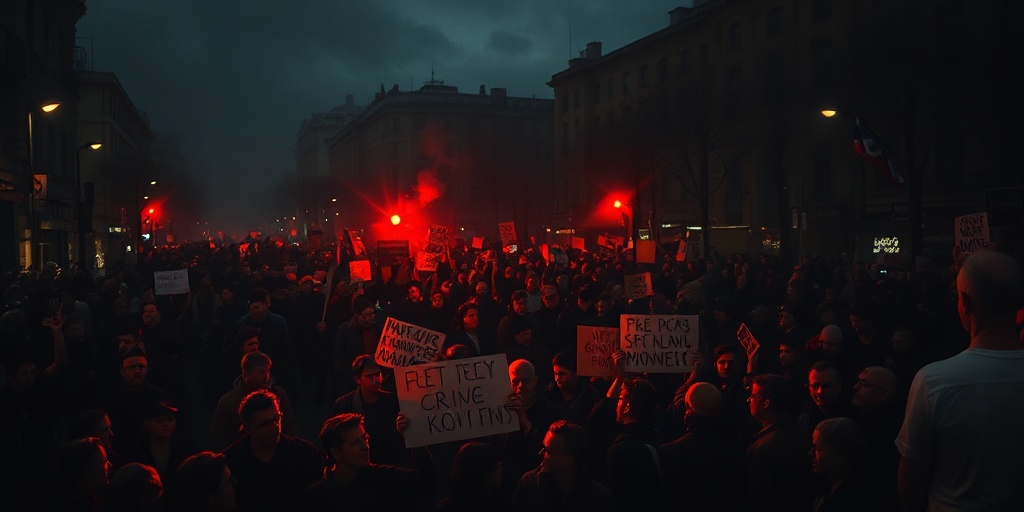
The latest spectacle from the Eurovision Song Contest, this supposedly harmless festival of cheesy pop and questionable fashion, has once again devolved into a predictable display of global dysfunction. While the average American is likely preoccupied with the price of gas and the ever-shrinking contents of their grocery cart, this seemingly trivial dispute over Israel’s participation is a siren song, a deafening alarm bell that should send shivers down the spine of every citizen. This isn’t just about music; it’s a microcosmic manifestation of the unraveling global order, a stark preview of the systemic risks we’re willfully ignoring. The fact that a song contest can be so deeply fractured by geopolitical tensions is not a sign of heightened global conscience, but rather a testament to the pervasive rot that has set in, a rot that will inevitably seep into the foundations of our own society. The protests, the boycotts, the endless finger-pointing – these aren’t isolated incidents. They are the tremors before the earthquake, the cracks appearing in the once-solid edifice of international cooperation that has, however imperfectly, shielded us from the worst of the world’s infighting. Now, that shield is thinning, and the cacophony of global discord is growing louder, promising to drown out any semblance of stability.
The economic consequences, though not immediately apparent in the glittering lights of a televised competition, are insidious and far-reaching. This constant churn of international friction, this inability to agree on even the most superficial of platforms, erodes the very trust and predictability upon which global commerce thrives. For the American consumer, this translates directly into higher costs. When supply chains are disrupted by political squabbles, when trade agreements are held hostage by nationalistic fervor, when businesses are forced to navigate a minefield of ever-shifting allegiances, the burden ultimately falls on the shoulders of ordinary people. That surge in inflation you’re experiencing? That feeling that your paycheck buys less and less each month? This isn’t some abstract economic theory; it’s the direct result of a world teetering on the brink, a world where petty disputes can escalate into significant economic disruptions. Eurovision’s squabbles are merely a colorful, albeit absurd, symptom of a deeper malaise that is systematically draining our prosperity, leaving us poorer and more vulnerable with each passing year.
Beyond the immediate economic pain, this trend points towards a grim long-term collapse. The inability of nations to find common ground, to engage in even the most trivial of shared cultural experiences without succumbing to divisive politics, signals a profound breakdown in diplomacy and a descent into a perpetually adversarial global landscape. This isn’t the stuff of spy thrillers; it’s the slow, agonizing erosion of the international norms that have, for decades, prevented larger conflicts. As alliances fray and trust evaporates, the potential for miscalculation and escalation increases exponentially. For the average American, this means a future steeped in uncertainty, a future where the specter of conflict looms larger, diverting precious resources from domestic needs to an ever-growing defense budget. It means a world where cooperation is replaced by competition, where shared progress is sacrificed at the altar of nationalist grievance. The cheerful, if often misguided, melodies of Eurovision are being drowned out by the ominous drumbeat of a world that is increasingly incapable of talking to itself, a world spiraling towards a future of isolation and conflict, a future that America, despite its current delusions of exceptionalism, cannot escape.
Frequently Asked Questions
Will the Eurovision drama affect my wallet?
Absolutely. Global instability, no matter how trivial its immediate cause, inevitably disrupts trade, inflates prices, and makes essential goods more expensive for everyday Americans. Expect continued pressure on your budget.
Is this just a silly European problem, or does it impact the US?
This is far from just a European problem. The interconnectedness of the global economy means that friction anywhere can eventually ripple outwards, impacting American jobs, supply chains, and overall economic stability. We are not immune.
What does this mean for the future?
It signals a dangerous trend of increasing global division and a potential decline in international cooperation, which could lead to greater instability, conflict, and economic hardship for everyone in the long run.
Based on reporting from: www.dw.com

Marcus Hale is a geopolitical risk analyst and investigative journalist with over a decade of experience covering economic instability, foreign policy, and systemic risk. A former consultant to financial institutions and government think tanks, Marcus has spent his career stress-testing optimistic narratives and finding the structural cracks underneath. He founded TheWorstView.today because he believes that the most patriotic thing an American can do is refuse to be comforted by convenient lies.
Drowning in despair?
It’s not all hellfire and brimstone. See the naively optimistic (but much happier) version of this story on The Best View.
Check the Bright Side →