🎧 Listen to the audio version by Marcus
THE WORLD IS BURNING, AND YOU’RE PAYING FOR IT: IRAN CEASEFIRE IS JUST ANOTHER LIE
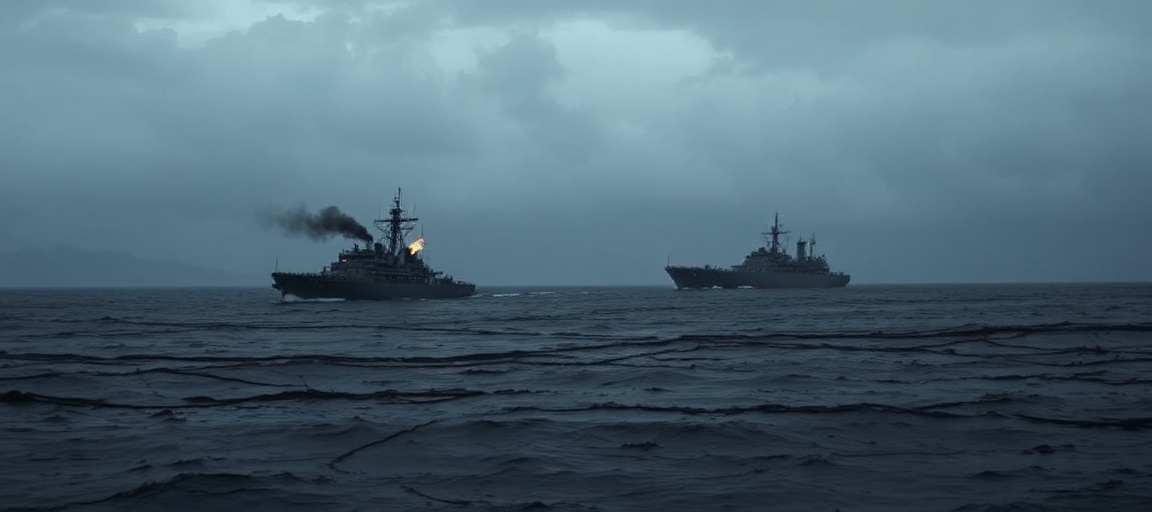
So, the latest whispers from the war rooms suggest a fragile “ceasefire” with Iran is holding. For now. Don’t let the soothing pronouncements from the talking heads fool you. This isn’t a sign of peace; it’s merely the temporary lull before the next inevitable catastrophe, a brief pause in the global bloodletting that will, as always, be paid for by the average American. The fact that we are even in a position where a “ceasefire” with a state sponsor of terrorism is considered good news speaks volumes about the catastrophic foreign policy decisions that have left our nation teetering on the brink. This isn’t about diplomacy; it’s about managing the fallout from decades of reckless interventionism, a desperate attempt to plaster over the gaping wounds we ourselves have inflicted upon the global order. While politicians congratulate themselves on temporary reprieves, the systemic risks continue to mount. The economic consequences are already a slow-motion disaster. Every dollar spent on military posturing, every sanction that disrupts global trade, every barrel of oil diverted by conflict, ultimately translates into higher prices at the pump, inflated grocery bills, and stagnant wages for working families. This “ceasefire,” if it holds at all, is just another expensive bandage on a festering wound, a temporary distraction from the deep-seated rot that is consuming our nation’s resources and our global standing.
The renewed attacks on the UAE, a key American ally and a linchpin of global trade, are not an isolated incident. They are a symptom of a larger, more menacing trend: the unraveling of international stability, fueled by a complex web of regional rivalries and a palpable erosion of American credibility. When our adversaries see us engaged in these perpetual tit-for-tat skirmishes, when our alliances appear strained, and when our pronouncements are met with skepticism, they feel emboldened. This perceived weakness, this vacuum of decisive leadership, invites further aggression. For the average American, this translates directly into diminished security and increased economic vulnerability. Supply chains, already fragile after years of upheaval, are further threatened. The cost of insuring against geopolitical risk skyrockets, driving up the price of everything from imported goods to financial investments. The promise of a stable, prosperous future is increasingly a mirage, replaced by the grim reality of a world constantly on the edge of conflict, a world where the decisions made in faraway capitals have direct and devastating consequences for your pocketbook and your peace of mind. We are not bystanders in this unfolding drama; we are the ones footing the bill, both in blood and in treasure.
This superficial holding pattern with Iran is not a victory; it’s a testament to our strategic bankruptcy. We’ve poured trillions into endless wars and proxy conflicts, achieving little more than the creation of new enemies and the destabilization of entire regions. The illusion of control, the belief that we can simply dictate terms to the world, has led us down a path of perpetual entanglement. Now, as we scramble to avert immediate crises, we are left with a hollowed-out military, a crippled economy, and a populace increasingly disillusioned and resentful. The long-term collapse isn’t some far-off theoretical construct; it’s already underway. It’s in the rising national debt, the declining purchasing power of the dollar, and the growing sense of unease about our place in the world. This “ceasefire” is not a turning point toward a better future; it’s merely another chapter in the ongoing saga of American decline, a stark reminder that our interventions, however well-intentioned they may be presented, often sow the seeds of our own undoing. The average American is left to navigate the wreckage, to bear the burden of choices made by a political and military establishment that seems perpetually out of touch with the realities on the ground.
Frequently Asked Questions
Will this ceasefire actually last, or is it just temporary?
History suggests that ceasefires involving Iran are notoriously fragile. Given the deep-seated animosities and the complex web of regional interests, it’s highly probable that this is a temporary reprieve, not a lasting peace. Expect more instability.
How does this affect the price of gas and groceries for me?
Any instability in the Middle East, especially involving major oil producers, directly impacts global energy markets. This translates into higher gas prices and, by extension, increased costs for transporting goods, leading to more expensive groceries and everyday items.
Is the US more or less safe with this kind of fragile agreement?
From a pessimistic viewpoint, a fragile “ceasefire” can create a false sense of security while underlying tensions fester. This can embolden adversaries and leave the US vulnerable to sudden escalations, potentially making us less safe in the long run.

Based on reporting from: www.cbsnews.com

Marcus Hale is a geopolitical risk analyst and investigative journalist with over a decade of experience covering economic instability, foreign policy, and systemic risk. A former consultant to financial institutions and government think tanks, Marcus has spent his career stress-testing optimistic narratives and finding the structural cracks underneath. He founded TheWorstView.today because he believes that the most patriotic thing an American can do is refuse to be comforted by convenient lies.
Drowning in despair?
It’s not all hellfire and brimstone. See the naively optimistic (but much happier) version of this story on The Best View.
Check the Bright Side →