🎧 Listen to the audio version by Marcus
America’s Gilded Cage: Even Our Spectacles Signal Our Decline
Look around, fellow citizens. While you’re glued to the flickering screens, mesmerized by the latest manufactured drama, the foundations of this nation are quietly crumbling. The news that Donald Trump, the former president, has become the main attraction at a UFC fight in Miami – eclipsing the actual combatants – is not merely a trivial celebrity sighting. It is a potent, albeit grim, symbol of our collective obsession with spectacle over substance, with personality over policy, and with the superficial sheen of power over the hard, unglamorous work of governance. This isn’t just about one man’s fleeting moment in the spotlight; it’s a symptom of a deeply rooted malaise that is systematically eroding the American dream, leaving the average citizen adrift in a sea of mounting systemic risks and economic precarity. We are being sold illusions while the real levers of power are manipulated by forces that care little for our well-being.
The implications for your wallet and your future are stark. When our leaders, or those who aspire to be, are more concerned with the roar of the crowd at a sporting event than with the intricate, unsexy negotiations that secure our trade deals, manage our national debt, or shore up our crumbling infrastructure, we are on a fast track to economic irrelevance. This focus on performative politics, on grandstanding and personal brand cultivation, distracts from the slow, grinding work of maintaining a functioning economy. It fosters an environment where short-term political gains, often fueled by populist fervor and appeals to base instincts, are prioritized over long-term fiscal responsibility. The consequence? A ballooning national debt that will inevitably be paid by your children and grandchildren, crippling their ability to build wealth and secure their own futures. Inflation continues to gnaw at your purchasing power, while opportunities for genuine economic advancement become increasingly scarce as our global competitiveness wanes.
This relentless pursuit of the theatrical is not just an economic dead end; it’s a profound threat to our systemic stability. Our institutions, already strained by decades of partisan warfare and a corrosive distrust in expertise, are further weakened when they become mere props in the ongoing personal dramas of those seeking power. The very notion of a shared national purpose, of collective problem-solving, is dissolving. Instead, we are increasingly fragmented, tribalized, and susceptible to manipulation. This environment is ripe for the kind of systemic shocks that have historically led to societal collapse. When trust evaporates, when truth becomes malleable, and when our leaders are more adept at generating viral soundbites than at forging consensus, the fabric of society begins to fray. The average American, caught in the crossfire of these manufactured conflicts, finds themselves increasingly vulnerable, with fewer safety nets and a growing sense of powerlessness against forces they cannot comprehend.
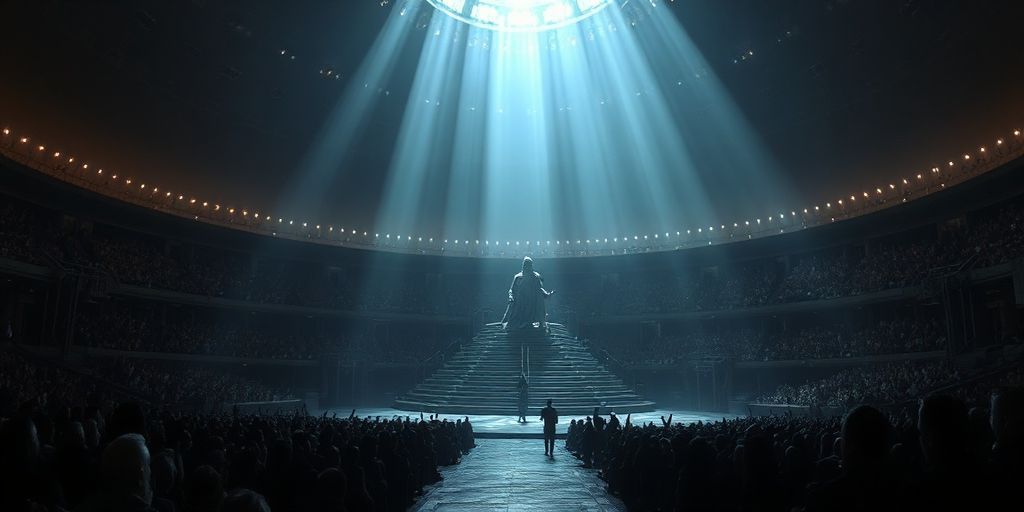
Ultimately, what we are witnessing is the twilight of American exceptionalism, not with a bang, but with the deafening applause for a celebrity in a boxing arena. This obsession with the superficial, this prioritization of personality over principle, is not a recipe for continued prosperity and global leadership. It is a slow, agonizing descent into irrelevance. The promises of a better future, of a strong and vibrant America, are becoming hollow echoes in the face of these undeniable realities. We are spectators in our own decline, applauding the gladiators while the empire crumbles around us. The long-term outlook is bleak, marked by dwindling resources, increasing social division, and a profound loss of the agency that was once the hallmark of the American experience. Prepare for a future where the comforts we once took for granted are mere memories, and the struggles of the average citizen are compounded by the systemic failures we so readily ignore.
Frequently Asked Questions
Will this political distraction hurt my retirement savings?
Yes, a prolonged focus on performative politics over sound economic policy can destabilize markets and lead to economic uncertainty, directly impacting your retirement investments.
Are my taxes going up because of this kind of government spending?
When leaders prioritize optics over fiscal discipline, it often leads to increased national debt, which future generations will likely have to pay through higher taxes or reduced public services.
Is America truly in decline, or is this just alarmist talk?
While the concept of decline is complex, a persistent focus on spectacle, a disregard for institutional norms, and mounting economic vulnerabilities suggest a challenging long-term trajectory for the average American.
Based on reporting from: apnews.com

Marcus Hale is a geopolitical risk analyst and investigative journalist with over a decade of experience covering economic instability, foreign policy, and systemic risk. A former consultant to financial institutions and government think tanks, Marcus has spent his career stress-testing optimistic narratives and finding the structural cracks underneath. He founded TheWorstView.today because he believes that the most patriotic thing an American can do is refuse to be comforted by convenient lies.
Drowning in despair?
It’s not all hellfire and brimstone. See the naively optimistic (but much happier) version of this story on The Best View.
Check the Bright Side →