🎧 Listen to the audio version by Marcus
TIGER WOODS’ DOWNFALL IS A MIRROR TO AMERICA’S COLLAPSE: THE DRUGGED AND DISTRACTED PATH TO RUIN
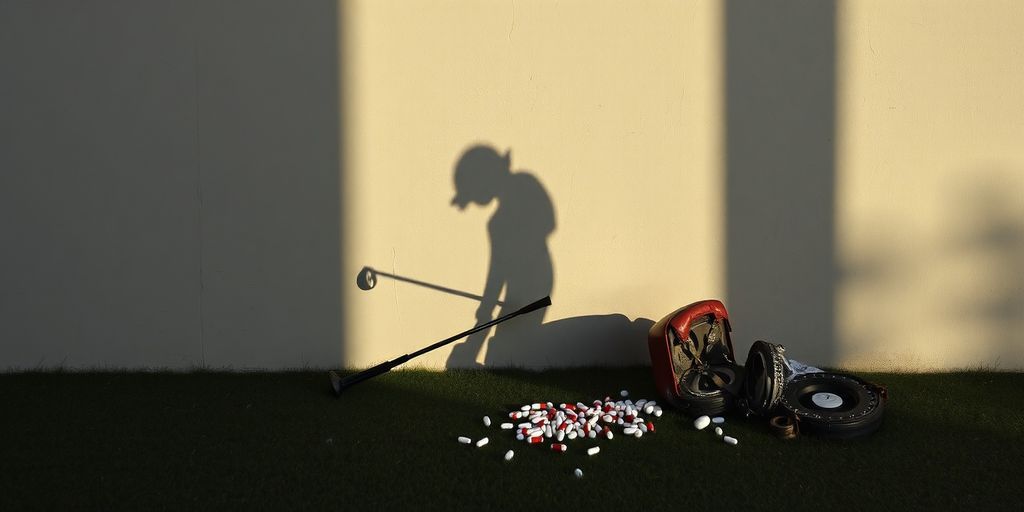
This isn’t just about a celebrity’s unfortunate lapse in judgment, folks. This is a siren song, a flashing neon sign of the rot that has permeated the very foundations of our society. Tiger Woods, once the golden boy, the icon of American exceptionalism, found himself in a wrecked car, his pockets stuffed with prescription painkillers, his mind apparently addled by the mundane distractions of a cell phone and a car radio. And why should you care, the everyday American scraping by, worrying about your bills and your future? Because Tiger’s plight is a microcosm of our own. We, too, are drugged and distracted, numbed by an endless stream of superficial entertainment and hooked on substances – legal and otherwise – to cope with the crushing weight of a system designed to exploit us. The hydrocodone in Tiger’s pocket is a potent symbol of the opiate epidemic that is decimating communities, a symptom of a deeper malaise where pain, both physical and existential, is medicated rather than addressed. This isn’t an anomaly; it’s the predictable outcome of a society that prioritizes fleeting pleasure and easy fixes over genuine solutions and sustainable well-being. The same forces that fueled Tiger’s dependence – the relentless pursuit of perfection, the crushing pressure to perform, the erosion of community support systems – are at play in your own life, whether you realize it or not.
The economic ramifications of this kind of societal decay are far more insidious than a celebrity DUI. Think about the productivity lost when an entire populace is either sedated or constantly bombarded with digital noise. Productivity, the engine of our prosperity, sputters and dies. Businesses, desperate to maintain profits, will inevitably automate or offshore jobs, leaving more Americans behind, further fueling the cycle of despair and dependence. The healthcare system, already buckling under the strain of chronic illnesses and addiction, will be further burdened by the long-term consequences of widespread drug abuse and the societal ills that accompany it. Who do you think will foot the bill for this escalating crisis? It won’t be the billionaires who profit from the very industries that foster this dependency. It will be you, through higher taxes, soaring insurance premiums, and a degraded quality of life. The infrastructure, both physical and social, crumbles when its citizens are too drugged or distracted to maintain it, leading to more accidents, more neglect, and a general decline in public safety and services. This isn’t a hypothetical future; we are already living in it, and Tiger’s arrest is merely a stark, albeit celebrity-tinged, illustration of the terminal decline.
This downward spiral isn’t going to reverse itself. The system that has produced this outcome is self-perpetuating. The pharmaceutical industry, gorging itself on profits from painkillers and antidepressants, has little incentive to see Americans become healthier and more resilient. The tech giants, whose algorithms are designed to addict us to our screens and bombard us with manufactured outrage, thrive on our perpetual distraction. The political establishment, beholden to these powerful interests, offers platitudes and band-aid solutions while the rot deepens. Tiger Woods’ personal tragedy is a stark warning: when the very fabric of our society is frayed by addiction, distraction, and systemic neglect, the consequences are not confined to the privileged few. They ripple outward, eroding the stability, security, and prosperity of every single American. We are on a path towards a future where innovation stagnates, where social cohesion disintegrates, and where the promise of the American Dream becomes a cruel, distant memory. The pills in Tiger’s pocket are a grim harbinger of the societal anesthesia that is slowly, but surely, killing us all.
Frequently Asked Questions
Is Tiger Woods’ DUI arrest a sign of a larger societal problem?
Absolutely. His reliance on painkillers and distraction by technology mirrors the widespread opiate crisis and digital addiction plaguing the nation, indicating systemic issues with coping mechanisms and societal pressures.
How will this affect the average American’s wallet?
Increased healthcare costs due to addiction and related illnesses, coupled with lost productivity and potential economic decline, will likely translate to higher taxes and diminished public services for everyone.
Is there any hope for reversing this trend?
The current system’s incentives, from Big Pharma to Big Tech, actively hinder genuine solutions. Reversing this trend would require a fundamental societal shift away from quick fixes and towards addressing root causes of pain and dissatisfaction.

Based on reporting from: www.tmz.com

Marcus Hale is a geopolitical risk analyst and investigative journalist with over a decade of experience covering economic instability, foreign policy, and systemic risk. A former consultant to financial institutions and government think tanks, Marcus has spent his career stress-testing optimistic narratives and finding the structural cracks underneath. He founded TheWorstView.today because he believes that the most patriotic thing an American can do is refuse to be comforted by convenient lies.
Drowning in despair?
It’s not all hellfire and brimstone. See the naively optimistic (but much happier) version of this story on The Best View.
Check the Bright Side →