🎧 Listen to the audio version by Marcus
The Sands Are Shifting: Iran Ground War Looms, Burying American Dreams Under the Rubble
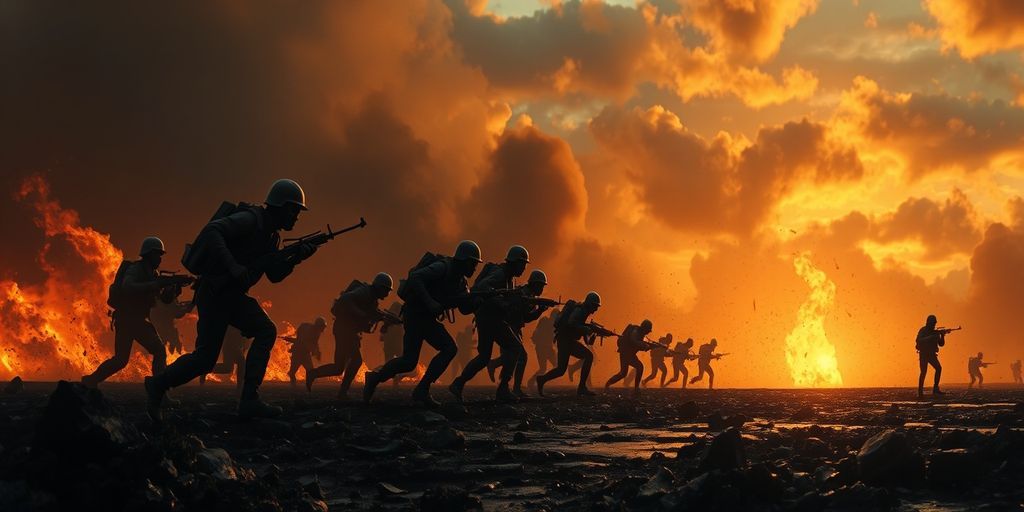
So, the Pentagon is “preparing” for weeks of ground operations in Iran. Prepare. A quaint word for the architects of chaos, isn’t it? For the average American, the one juggling bills, fearing for their retirement, and wondering if their kids will ever own a home, this news isn’t just bad; it’s another nail in the coffin of what little stability we thought we had. We’re not talking about a surgical strike or a limited engagement. We’re talking about “weeks of ground operations.” That’s a euphemism for a quagmire, a bloodbath waiting to happen, and you, dear reader, will be the one footing the bill. Think of the trillions already poured into Afghanistan and Iraq, money that vanished into thin air, enriching defense contractors and leaving us with nothing but debt and shattered lives. This isn’t about protecting American interests; it’s about perpetuating a military-industrial complex that thrives on conflict, a complex that views the lives of ordinary citizens as expendable resources in its insatiable quest for profit and power.
The economic consequences of such a protracted conflict will be devastating. Forget about inflation easing or supply chains magically healing. A full-blown ground war in Iran means skyrocketing oil prices, not just a temporary spike, but a sustained assault on our wallets. This isn’t just about filling your gas tank; it’s about the cost of everything. Groceries, manufacturing, transportation – every facet of our economy will be squeezed, choked, and ultimately, broken. And who bears the brunt? Not the lobbyists in Washington, not the generals enjoying their pensions. It’s you. It’s the family deciding between rent and food, the small business owner staring bankruptcy in the face, the young people watching their future evaporate before their eyes. This conflict will drain our national coffers, diverting precious resources away from domestic needs – infrastructure, education, healthcare – and funneling them into the black hole of perpetual warfare. Our already precarious economic foundation will crumble further, leaving us more vulnerable than ever to the next inevitable crisis.
Beyond the immediate economic shockwaves, the long-term systemic risks are terrifying. Each new entanglement, each unnecessary war, erodes the legitimacy and strength of American global standing. We are already perceived as an overextended, over-militarized power, often acting unilaterally and with a disregard for international norms. A ground war in Iran, a nation with a complex internal dynamic and significant regional influence, would ignite a firestorm of instability. It risks drawing in regional proxies, igniting wider conflicts, and alienating allies who are increasingly questioning our judgment and commitment to a stable world order. This isn’t just about geopolitical chess; it’s about the slow, deliberate unraveling of the international system that, however flawed, has provided a modicum of predictability and security. When that system breaks, the consequences for the average American will be profound, leading to increased global disorder, greater economic volatility, and a world far less hospitable to our own national interests.
The notion that this “new phase” could be “significantly more dangerous” to U.S. troops is a chilling understatement. It’s a veiled admission of the grim reality that awaits our sons and daughters, sent to fight a war whose objectives are nebulous and whose end is nowhere in sight. The lessons of the past, the bloody and costly failures of nation-building and protracted interventions, seem to have been conveniently forgotten in the corridors of power. This isn’t a strategic necessity; it’s a descent into the abyss, a gamble with human lives and national prosperity, all under the guise of vague security pronouncements. The average American is left to watch, powerless, as their nation embarks on yet another destructive path, a path that leads not to victory, but to prolonged suffering, economic hardship, and a legacy of further decline.
Frequently Asked Questions
Will a war in Iran impact my gas prices?
Absolutely. A conflict in the Middle East, especially involving a major oil producer like Iran, will almost certainly send oil prices soaring. This means higher costs at the pump and a ripple effect through nearly every industry, making everything from groceries to electronics more expensive.
Will this war cost me more in taxes?
Without a doubt. Large-scale military operations are incredibly expensive, and these costs are typically covered through increased government borrowing and, eventually, higher taxes. Your tax dollars will be diverted from domestic programs to fund a protracted conflict abroad.
Could this lead to a draft or increased military conscription?
While a formal draft is unlikely in the immediate term, a prolonged and costly ground war could put immense strain on recruiting. Sustained heavy casualties and a need for more troops could eventually lead to political pressure for expanded conscription, especially if the conflict drags on for years.

Based on reporting from: www.washingtonpost.com

Marcus Hale is a geopolitical risk analyst and investigative journalist with over a decade of experience covering economic instability, foreign policy, and systemic risk. A former consultant to financial institutions and government think tanks, Marcus has spent his career stress-testing optimistic narratives and finding the structural cracks underneath. He founded TheWorstView.today because he believes that the most patriotic thing an American can do is refuse to be comforted by convenient lies.
Drowning in despair?
It’s not all hellfire and brimstone. See the naively optimistic (but much happier) version of this story on The Best View.
Check the Bright Side →