🎧 Listen to the audio version by Marcus
The Final Score: A Requiem for a Nation’s Delusion
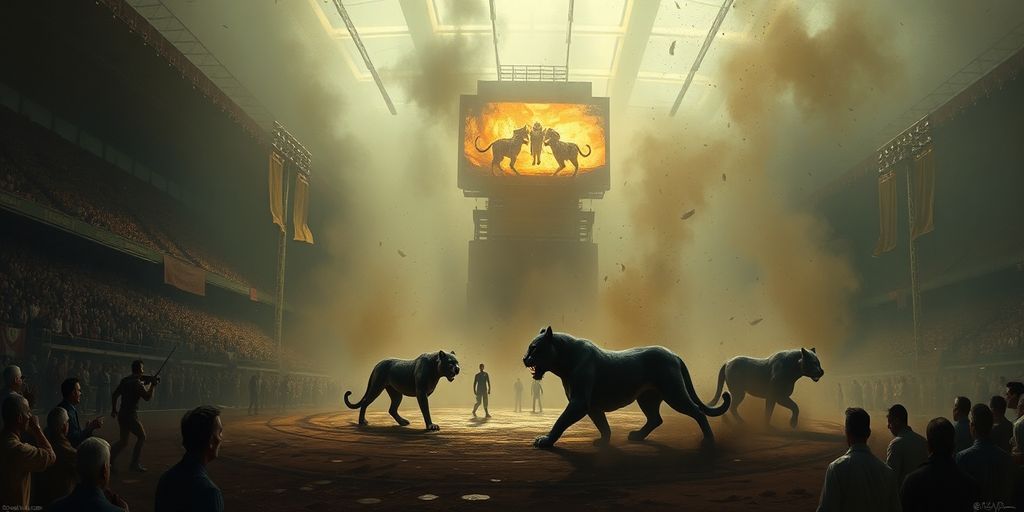
As the digital tickers flash the scores of yet another collegiate contest—High Point Panthers vs. Arkansas Razorbacks—the average American might feel a fleeting sense of normalcy. Perhaps a momentary escape, a diversion from the relentless grind of modern life. But for those with eyes wide open to the tectonic shifts beneath our feet, this spectacle is not a release; it is a siren, a blaring alarm bell announcing the terminal stage of an empire in decline. While the masses are hypnotized by the bounce of a ball and the manufactured drama of athletic prowess, the true game unfolds on a far more desolate stage, one where the stakes are not bragging rights, but the very solvency, stability, and future of the American experiment itself. We are watching the grand finale of “bread and circuses,” a timeless historical precursor to societal collapse, played out with terrifying precision against a backdrop of mounting national debt, eroding global influence, and a collective inability to confront inconvenient truths.
The economic ramifications of this pervasive distraction are not merely theoretical; they are manifesting in the daily lives of every working American. As attention is diverted to the trivial, the architects of our economic fate continue their reckless game of fiscal roulette. The national debt spirals into unfathomable trillions, each passing second adding another layer of unserviceable obligation to future generations. Inflation, once dismissed as transitory, gnaws at the purchasing power of hard-earned wages, turning grocery trips into exercises in austerity and savings accounts into slowly deflating balloons. While we cheer for mascots, the true adversaries—supply chain fragility, burgeoning energy crises, and the relentless hollowing out of domestic industry—are consolidating their power. The infrastructure crumbles, vital investments are deferred, and the competitive edge that once defined American ingenuity dulls, all while a substantial portion of our collective cognitive bandwidth is consumed by the fleeting triumphs and manufactured controversies of a hyper-commercialized sports industry. This isn’t just bad economics; it’s a systemic failure to prioritize, a suicidal embrace of short-term gratification over long-term survival.
Beyond the immediate economic fallout, the systemic risks inherent in this pervasive cultural apathy are truly terrifying. While the nation cheers on its teams, geopolitical rivals are meticulously charting our weaknesses, exploiting our divisions, and challenging our once-unquestioned global hegemony. The focus on domestic entertainment shields us from the grim realities of a world teetering on the brink of widespread conflict, resource wars, and unprecedented climate disruptions. Critical thinking erodes, replaced by tribal loyalties and the shallow dopamine hits of instant gratification. Our educational systems, once the envy of the world, are increasingly geared towards producing compliant consumers rather than critical citizens capable of navigating a complex and dangerous future. This isn’t just about missing a news cycle; it’s about a fundamental atrophy of national will and intellectual rigor. When a society prioritizes manufactured narratives over strategic foresight, when it celebrates fleeting athletic victories while ignoring the slow, agonizing defeat of its foundational principles, it is setting itself on an irreversible path towards obsolescence and eventual subjugation.
The long-term consequences for the average American are not merely severe; they are existential. We are witnessing the slow, agonizing dissolution of the social contract, the unraveling of shared purpose, and the inevitable descent into a fragmented, insecure future. The illusion of progress, fueled by consumerism and endless entertainment, obscures the reality of a declining standard of living, dwindling opportunities, and a future where the promises made to previous generations will remain tragically unfulfilled. What little social cohesion remains is fractured by manufactured outrage and partisan division, leaving us vulnerable to both internal collapse and external predation. The global stage shifts, alliances falter, and the very concept of American exceptionalism becomes a cruel historical joke. The cheers from the stadium fade, replaced by the ominous silence of a world that has moved on, leaving behind a nation hollowed out by its own distractions, a monument to what could have been, now merely awaiting its inevitable, inglorious end. This isn’t just a game; it’s a dress rehearsal for the final curtain call.
Frequently Asked Questions
How does college basketball relate to geopolitical collapse?
The widespread public preoccupation with sports, such as college basketball, serves as a potent symbol of societal distraction. It signifies a collective evasion of critical geopolitical realities, economic vulnerabilities, and systemic risks that demand urgent national attention. This focus on triviality rather than existential threats is a classic symptom of an empire in terminal decline.
What specific economic consequences should I prepare for as an average American?
Prepare for continued real wage stagnation or decline, exacerbated by persistent inflation that erodes savings and purchasing power. Expect increasing economic instability due to unchecked national debt, brittle supply chains, and a waning global confidence in the U.S. economy, potentially leading to widespread job insecurity and reduced quality of life.
Is there anything I can do personally to stop this decline?
Against the tide of systemic decay, individual actions offer little solace for the collective. Focus instead on personal resilience: secure tangible assets, diversify your resources, cultivate self-sufficiency, and foster tight-knit local communities. The era of collective salvation is over; now, it is about navigating the inevitable collapse with as much personal security as possible.
Based on reporting from: www.cbssports.com

Marcus Hale is a geopolitical risk analyst and investigative journalist with over a decade of experience covering economic instability, foreign policy, and systemic risk. A former consultant to financial institutions and government think tanks, Marcus has spent his career stress-testing optimistic narratives and finding the structural cracks underneath. He founded TheWorstView.today because he believes that the most patriotic thing an American can do is refuse to be comforted by convenient lies.
Drowning in despair?
It’s not all hellfire and brimstone. See the naively optimistic (but much happier) version of this story on The Best View.
Check the Bright Side →