THE POPE’S RECOVERY ISN’T WHAT YOU THINK: A CATASTROPHIC SIGNAL FOR AMERICA
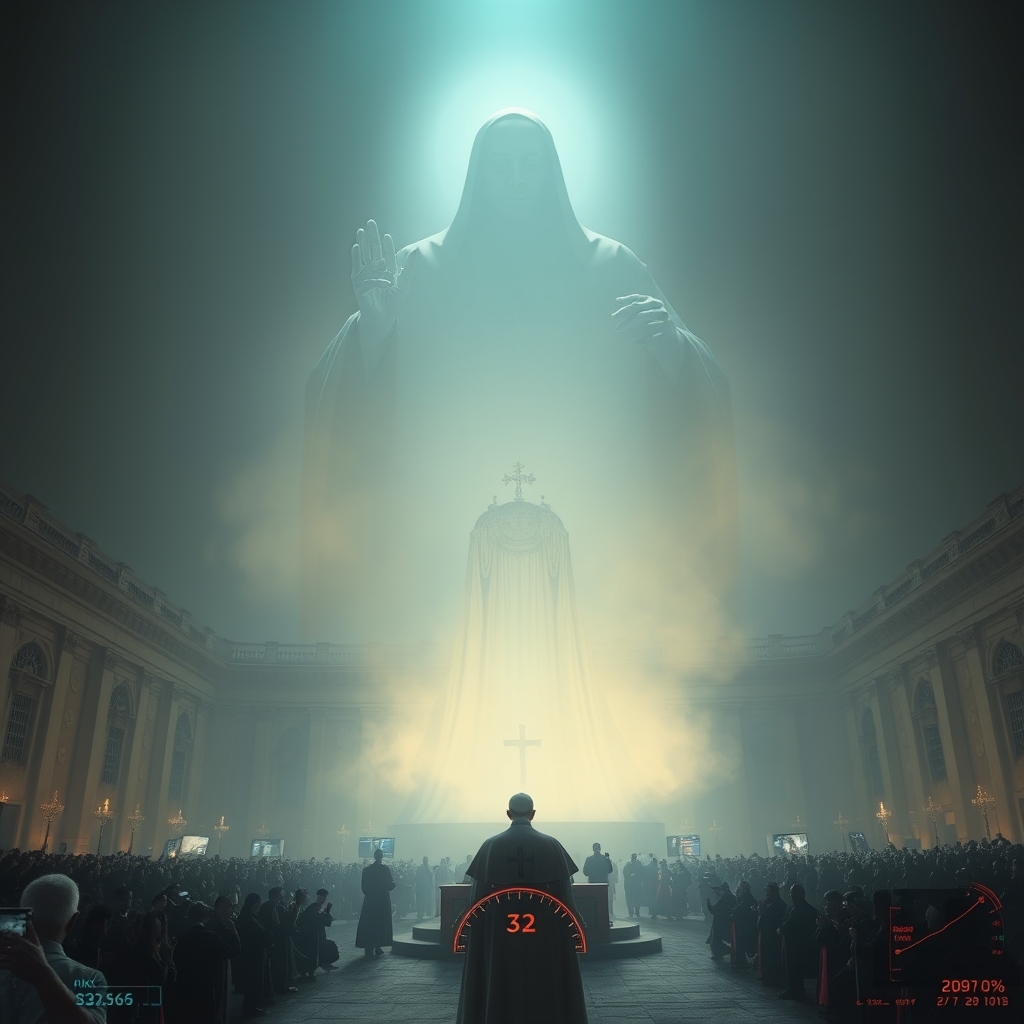
The Vatican’s carefully curated narrative of Pope Leo XIV’s “gradual resumption of duties” after cancer surgery is nothing more than a gilded distraction from a more sinister reality. Don’t be fooled by the saccharine pronouncements from St. Peter’s Square; this is not a story of faith and healing, but a stark harbinger of the systemic decay that is rapidly metastasizing across the globe, and by extension, into the very fabric of American life. While the faithful are lulled into a false sense of security by pronouncements of divine intervention, the underlying forces at play are far more mundane, and far more terrifying. The fact that the head of a global institution, a figurehead of immense symbolic power, has undergone major surgery for a *malignant* tumor speaks volumes about the fragility of the systems we rely upon. This isn’t just about one man’s health; it’s about the weakening of anchors in an increasingly turbulent world. The intricate, often opaque, networks of global influence and stability, maintained for decades through a complex interplay of political power, economic interdependence, and yes, even symbolic leadership, are fraying at an alarming rate. When even the most seemingly entrenched institutions, those that project an image of timeless permanence, are revealed to be susceptible to the ravages of disease and decline, what hope is there for the average American whose life is tethered to the precarious whims of the global economy and the ever-shifting sands of international relations? This papal recovery is a whisper of the coming storm, a subtle yet undeniable indicator that the foundations upon which our fragile prosperity is built are starting to crumble, and the consequences for ordinary citizens will be anything but gradual.
The economic fallout from such global destabilization is, as always, disproportionately borne by the working and middle classes, the very people who can least afford to weather the coming economic storms. Think about it: the global supply chains that deliver everything from your morning coffee to the components in your smartphone are already teetering on the brink, strained by geopolitical tensions, climate disasters, and now, the specter of leadership vacuums in key global institutions. A weakened pontiff, however symbolically, represents a ripple effect. It could embolden rogue actors on the international stage, further disrupt delicate diplomatic channels, and send shockwaves through financial markets that are already addicted to a steady diet of predictable stability. For the average American, this translates directly into rising prices, dwindling job security, and a further erosion of their purchasing power. The illusion of American exceptionalism and economic resilience is just that – an illusion. We are intricately woven into the global tapestry, and when threads begin to snap, the entire fabric begins to unravel. The “gradual resumption” of papal duties is merely a polite euphemism for a world grappling with escalating uncertainty, a world where the abstract concepts of geopolitical risk and systemic collapse manifest as tangible hardship in your local grocery store and on your monthly bills. This isn’t hyperbole; it’s the grim calculus of a world where the powerful are not as invincible as they pretend to be.
Furthermore, this event underscores the profound lack of genuine leadership and the growing dependence on symbolism over substance that plagues modern society, and America is no exception. We are living in an era where grand pronouncements and carefully crafted images are used to mask deep-seated systemic rot. The Vatican, like so many other institutions, projects an image of enduring strength and moral authority, but beneath the surface, the same frailties that afflict any human endeavor are present. Pope Leo XIV’s cancer surgery is a stark reminder that even the most venerated figures are mortal and susceptible to the same biological vulnerabilities that affect us all. This vulnerability, when amplified on a global scale, creates dangerous power vacuums and opportunities for those who thrive on chaos. For the average American, this means a greater reliance on increasingly fragile and unpredictable systems. The insurance premiums that are already skyrocketing, the healthcare system that is perpetually on the verge of collapse, the pension funds that are hemorrhaging value – these are all symptoms of a larger malaise. The seeming stability of institutions like the Papacy, when shaken, reveals the true extent of our interconnectedness and our susceptibility to shocks we cannot control. The “gradual resumption” of papal duties is a public relations maneuver, a desperate attempt to maintain an illusion of control in a world that is rapidly slipping out of it, and this illusion is a dangerous drug for a populace that needs to confront the harsh realities of impending collapse.
Frequently Asked Questions
Will the Pope’s health affect global markets?
While direct impact might be minimal, any perceived instability in a major global institution can create ripple effects in financial markets. Increased investor uncertainty can lead to market volatility, impacting savings and investments for average Americans.
How could this impact my daily life and cost of living?
The Pope’s recovery is a symptom of broader global fragility. This fragility can exacerbate existing supply chain issues, leading to higher prices for goods and services. It also increases the risk of geopolitical disruptions that directly affect the cost of essential items.
Is this a sign of wider institutional collapse?
The vulnerability of even powerful, symbolic institutions to internal crises like illness highlights the underlying systemic risks we face. This could foreshadow a period where established global order and stability are increasingly challenged, leading to unpredictable consequences for national economies and individual well-being.
Based on reporting from: apnews.com

Marcus Hale is a geopolitical risk analyst and investigative journalist with over a decade of experience covering economic instability, foreign policy, and systemic risk. A former consultant to financial institutions and government think tanks, Marcus has spent his career stress-testing optimistic narratives and finding the structural cracks underneath. He founded TheWorstView.today because he believes that the most patriotic thing an American can do is refuse to be comforted by convenient lies.
Drowning in despair?
It’s not all hellfire and brimstone. See the naively optimistic (but much happier) version of this story on The Best View.
Check the Bright Side →