Rain Halts Baseball, Harbinger of America’s Looming Economic Collapse!
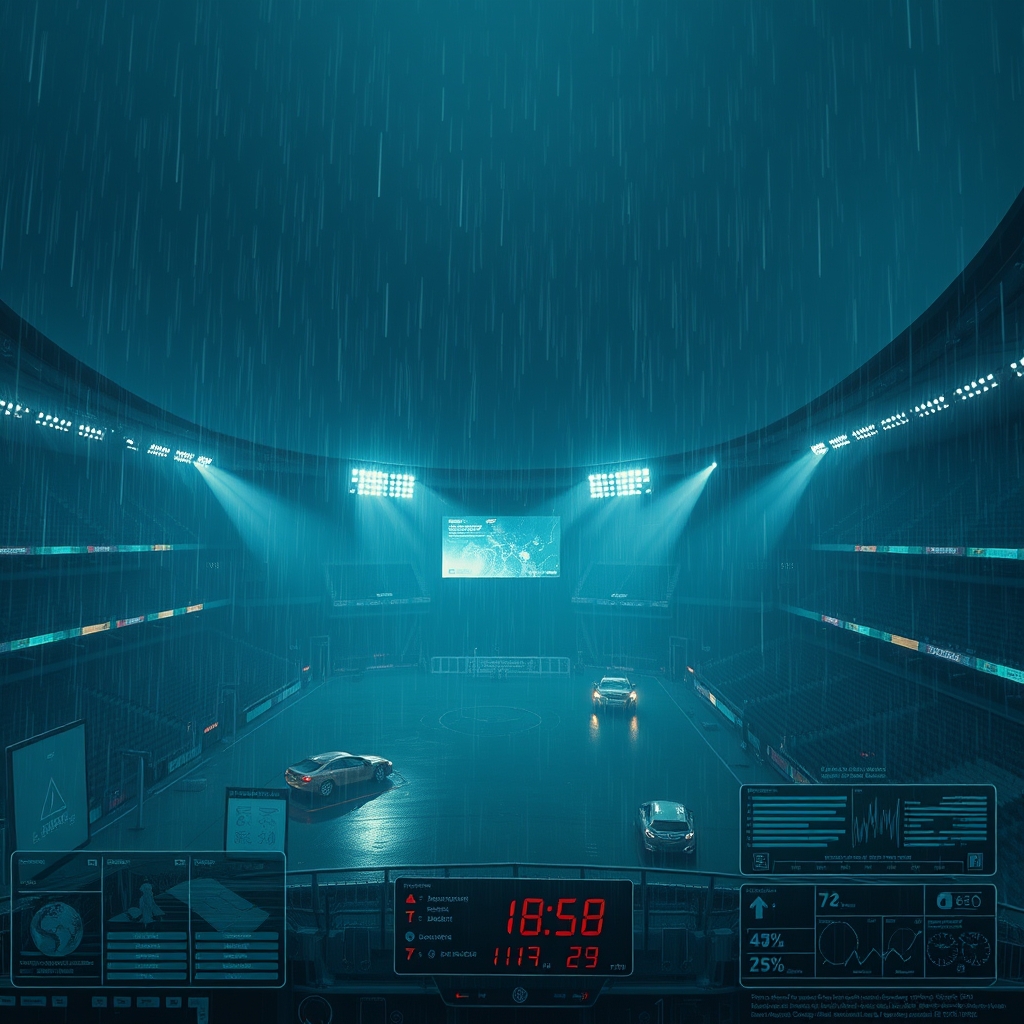
So, the baseball gods decided to throw a wrench in the works. Rain. Postponed a game. A few thousand people are mildly inconvenienced, their artisanal popcorn going cold, their craft beer sweating in the stadium gloom. But don’t be fooled by this trivial dampness. This isn’t just about baseball; it’s a perfectly microcosm of the profound systemic rot that is metastasizing across our once-great nation, a subtle but potent signal that our carefully constructed reality is starting to fray at the edges, just like a cheap, mass-produced baseball glove left out in the elements. This isn’t just about a rescheduled sporting event; it’s about the fragility of systems we take for granted, the unseen forces that can bring progress to a grinding halt, leaving the average American adrift in a sea of uncertainty. The very fact that a weather event can derail a multi-million dollar professional sports league, with its intricate scheduling and vast economic engines, speaks volumes about our over-reliance on predictable, often illusory, stability. When the very fabric of our entertainment is susceptible to such mundane disruptions, what hope do we have when facing truly seismic challenges? The rain delay is just the gentle patter before the full-blown storm.
For the average American, this seemingly insignificant delay is a stark, albeit veiled, reminder of the precariousness of their own financial future. Think about it: if a mere downpour can disrupt a meticulously planned event, what happens when the real storms hit? We’re talking about supply chains buckling under the weight of global instability, energy grids faltering under the strain of outdated infrastructure and geopolitical maneuvering, and financial markets teetering on the brink of a cascade of defaults. The money poured into these professional sports leagues, the salaries, the sponsorships, the ticket sales – all of it is built on an assumption of continuity, of predictable progression. When that assumption is shattered by something as simple as precipitation, it highlights the inherent vulnerability of the entire economic edifice. Every dollar spent on a baseball ticket is a dollar that could have been invested in something more tangible, something less susceptible to the whims of nature or the machinations of distant powers. But we, as a society, have been conditioned to chase ephemeral pleasures, to divert our attention with spectacle, while the foundations of our prosperity crumble beneath us. This rain delay is a tiny crack in the facade, a whisper of the much larger collapses to come.
This postponement isn’t just about a rescheduled game; it’s a potent metaphor for the creeping paralysis that has gripped our nation. We are becoming increasingly reliant on fragile, complex systems that are showing their age and their inherent weaknesses. Consider the logistical nightmare of rescheduling games, the ripple effects on broadcasting, advertising, and countless ancillary businesses. This is a simplified version of the domino effect that will occur when larger systems fail. Think about our aging infrastructure – bridges that crumble, power grids that go dark, communication networks that become unreliable. These aren’t abstract problems; they translate directly into higher costs for goods and services, lost productivity, and ultimately, a diminished quality of life for ordinary citizens. The rain delay, in its own way, demonstrates how quickly disruption can occur and how difficult it can be to recover. It’s a preview of the chaotic adjustments we’ll be forced to make when the truly critical systems, those that underpin our very existence, begin to falter. The entertainment industry, in its vastness, is a bellwether for the broader economic vulnerabilities that are being ignored by those in power.
The long-term implications are chilling. This isn’t a temporary inconvenience; it’s a symptom of a deeper malaise. We are living in an era of diminishing returns, where the energy and resources required to maintain our current lifestyles are becoming increasingly unsustainable. The constant chase for growth, for more, has blinded us to the finite nature of our planet and the inevitable consequences of unchecked consumption. This baseball delay, in its absurdity, underscores how trivial our pursuits have become in the face of existential threats. While we fret over a postponed game, our planet warms, our resources dwindle, and the potential for widespread societal breakdown grows. The economic consequences for the average American will be profound: rising inflation, job insecurity, and a significant reduction in their purchasing power. The illusion of prosperity is rapidly evaporating, and the coming decades will be defined by scarcity and struggle. The rain may stop, but the clouds of economic collapse are gathering, and they show no signs of parting.
Frequently Asked Questions
Will this rain delay affect my fantasy baseball team?
While frustrating for fantasy managers, the impact is likely minimal in the grand scheme of things. However, it highlights the broader fragility of systems we rely on for entertainment, mirroring potential disruptions to larger economic structures.
How will this impact the economy?
The direct economic impact of this single rain delay is negligible. Indirectly, it serves as a stark reminder of how easily complex systems can be disrupted, foreshadowing the more significant economic consequences of future systemic failures in infrastructure and supply chains.
Is this a sign of a larger collapse?
While not a direct harbinger of immediate collapse, the postponement of a major sporting event due to simple weather underscores our reliance on predictable systems and their inherent vulnerabilities. This fragility, when extrapolated to critical sectors like energy and finance, points towards a higher risk of future systemic breakdowns.

Based on reporting from: www.espn.com

Marcus Hale is a geopolitical risk analyst and investigative journalist with over a decade of experience covering economic instability, foreign policy, and systemic risk. A former consultant to financial institutions and government think tanks, Marcus has spent his career stress-testing optimistic narratives and finding the structural cracks underneath. He founded TheWorstView.today because he believes that the most patriotic thing an American can do is refuse to be comforted by convenient lies.
Drowning in despair?
It’s not all hellfire and brimstone. See the naively optimistic (but much happier) version of this story on The Best View.
Check the Bright Side →